Ignatius-Valdis as a Web-Book?
Writing the book Ignatius-Valdis as a web-book is easier for it’s convenient access and use for frequent updates as the book is online as opposed to the eBooks that only need to be released and updated once. The web-book is a book on the web that makes it easier for the audience to read.
Writing Ignatius-Valdis as a web-book prioritises convenience for both author and reader. Unlike traditional eBooks, which often require a formal release cycle and file redistribution for each revision, a web-book can be updated continuously. This immediacy means corrections, clarifications and new chapters can appear as soon as they are ready, ensuring the text remains current without readers needing to download new files or buy new editions.
A web-book’s accessibility enhances readership. Any device with a browser can display the work, removing format compatibility issues that sometimes plague eBooks. Readers need not worry about file types or specific reading apps; they simply visit the site and continue from where they left off. For a work like Ignatius-Valdis, which may attract a diverse audience across different platforms, this universality reduces friction and encourages sustained engagement.
Frequent updates allow the author to respond to feedback quickly and iteratively. Reader comments, questions or reactions can inform small adjustments or lead to expanded scenes and explanations. This dynamic interplay turns the book into a living project: each update can reflect accumulated insights, improving clarity and depth without the logistical burden of republishing an entire file for every change.
Serial publication on the web supports pacing and suspense. Releasing chapters progressively can build anticipation and create habitual reading patterns. For Ignatius-Valdis, episodic updates can maintain momentum and keep readers returning to the site. The web-book format makes scheduling releases straightforward and adaptable; the author can accelerate or slow the schedule in response to creative needs or audience interest.
Searchability and internal linking are practical advantages of a web-book. Readers can jump to specific characters, locations or themes via links, indexes or tags, which enrich the reading experience and aid comprehension. For complex narratives like Ignatius-Valdis, these navigational tools help readers revisit earlier material or follow subplots without losing their place, enhancing accessibility for newcomers and returning readers alike.
A web-book is also more cost-effective to maintain over time. Hosting and updating a website generally incurs lower ongoing costs than repeated eBook production and distribution, especially when updates are frequent. This financial simplicity gives the author flexibility to experiment—adding bonus material, glossaries or multimedia—without the overhead associated with repeated publishing cycles.
Finally, presenting Ignatius-Valdis as a web-book aligns with contemporary reading habits. Many readers browse and consume long-form content online, and making the book available in that environment meets them where they already are. The web-book format reduces barriers to discovery and participation, making the story more approachable and resilient to the changing landscape of digital reading.
Like post and want to tip?
If you enjoyed this post and would like to see more, please let the author know in the comments below — your feedback helps shape future topics and keeps the conversation alive. If you’d like to support the creation of more free, no-signup-needed blogs, consider leaving a tip today; even a small contribution makes a big difference and encourages continued writing and sharing. Your support ensures these accessible articles and blogs stay free for everyone and inspires the author (K Johnson) to keep producing thoughtful, independent content.
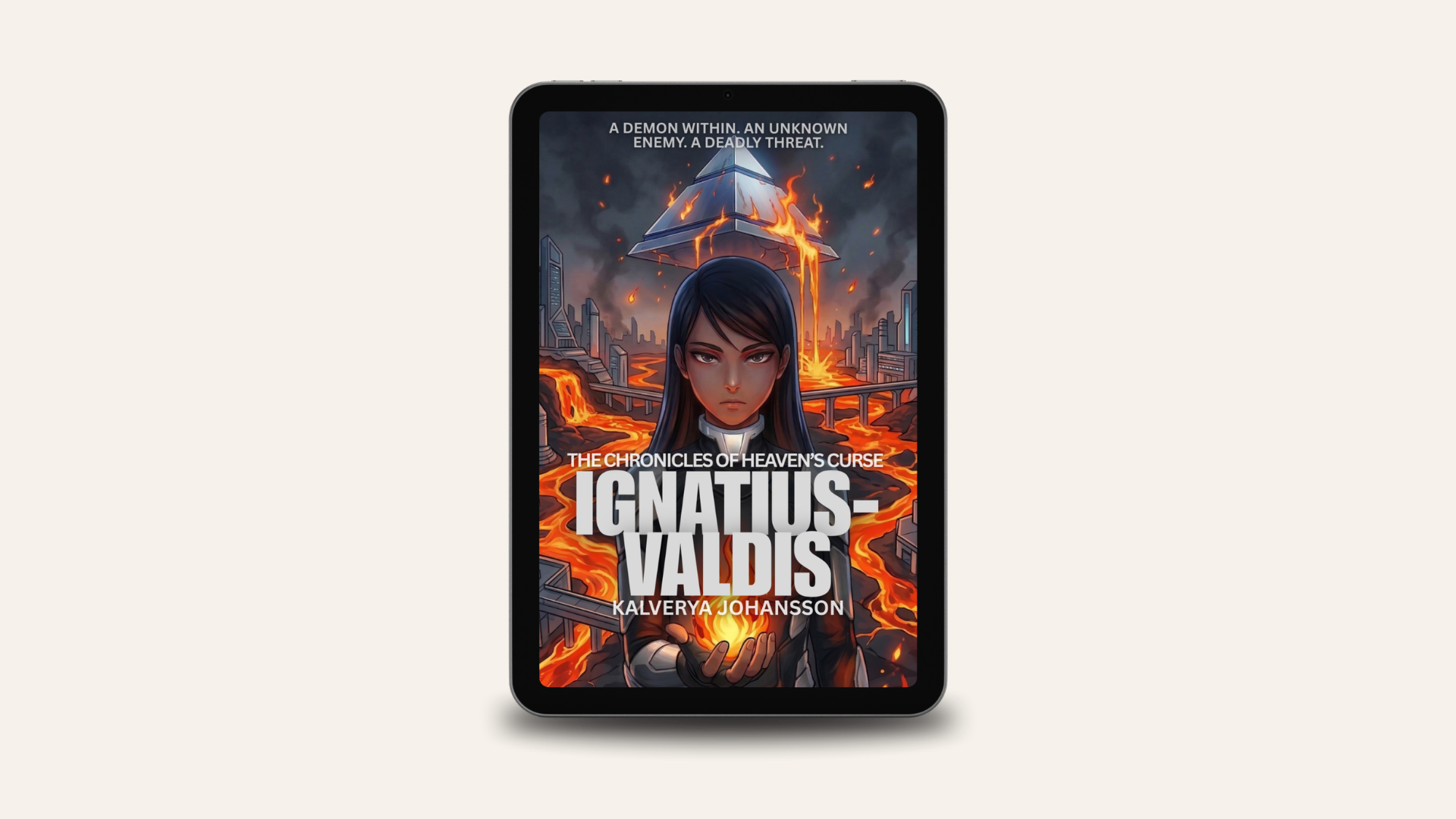
Ignatius-Valdis Book Cover.
Get anytime access to my growing collection of art, chapters, and exclusive content. Latest edition. Revised and edited. Regular, latest and immediate updates. One payment. Lifetime Access. New items added every two weeks.
