The Blog
The Blog
Kalverya Johansson’s blog offers a focused exploration of science fiction novels and comic book art, blending insightful analysis with passionate storytelling. Designed for enthusiasts and casual readers alike, it provides engaging content that highlights the creativity and innovation within these genres.
“Your story immediately stood out to me with its vivid imagery and emotional depth. Every scene felt alive, almost cinematic, and your world-building was beautifully crafted.”
— Reader Review, Elsa

Direct Sales Conversion Rates: How to Optimize Your Ebook Storefront
Direct sales conversion rates for an ebook storefront hinge on clarity, trust and frictionless purchase paths: optimise product pages with concise, benefit-led descriptions and compelling cover images; display immediate social proof such as reader reviews and ratings; simplify the checkout to minimise steps, pre-fill fields where possible and offer multiple secure payment options; A/B test pricing, call-to-action copy and promotional banners to learn what drives clicks to purchases; use targeted landing pages and email follow-ups for abandoned carts; ensure fast page load and mobile responsiveness; and track micro-conversions (preview clicks, add-to-cart, time on page) with analytics to prioritise changes that raise the overall conversion rate.

The Kickstart Loop: Combining Crowdfunding with a Permanent Direct Storefront.
Combining crowdfunding with a permanent direct storefront creates a powerful hybrid sales strategy that leverages the buzz and validation of a campaign alongside the stability and brand-building benefits of a physical presence; early backers provide capital and social proof that can be showcased in-store through limited-edition releases, donor recognition walls or in-person launch events, while the storefront offers an ongoing point of contact for customers to experience products, give feedback and convert casual interest into repeat purchases, reducing reliance on intermittent campaigns and helping stabilise cash flow as the business scales.

The Pros and Cons of a Readership for Authors
A committed readership gives authors instant feedback that sharpens their craft. Regular readers signal what succeeds and what falls flat — favourite characters, resonant plot moments and passages that lag. That insight allows writers to tighten pacing, enrich emotional beats and fix narrative gaps before unhelpful habits set in. For debut and self-published authors in particular, an engaged audience can speed up learning that might otherwise take years.

What is a good Reader Magnet for Self-Publishers
A strong reader magnet for self-publishers is a targeted, high-value freebie that matches your book’s genre, tone, and themes to attract and convert the right readers. Examples: a romance novella or character backstory; a standalone short mystery or clue collection for mystery authors. Make it relevant so fans of the freebie will buy more.
Ensure clarity and instant appeal: give it a compelling title, a clean professional cover that fits your brand, and hook readers on page one. On your signup page, clearly state what they’ll get and why it’s worth their email; list specific benefits (entertaining scenes, exclusive worldbuilding, practical tips).
Match length and format to expectations—short stories, novellas, exclusive chapters, guides, checklists—and offer multiple file types (PDF, EPUB/MOBI). Finally, provide professional editing and formatting.

How Book Content is Marketable
Want your book to sell, not just sit pretty on a shelf? Successful books are products first — they need clear value, a defined audience and smart presentation.
Hook: start with a concept that fixes a problem, answers a burning question or delivers the emotional payoff readers are hunting for.
Audience: know your reader’s age, interests, pain points and reading habits so you can match voice, pacing and packaging to demand.
Positioning: turn your manuscript into a standout offering with a memorable title, a punchy blurb, genre-smart design and a consistent author brand that cuts through the noise.
Formats & distribution: widen reach with trade paperback, ebook, audiobook and short-form or serialized spin-offs to capture different reading habits and revenue streams.
Sales kit: use cover design, sample chapters, back-copy, author bio and optimised metadata as your marketing toolkit for search, retail algorithms and social shares.
Early momentum: validate with beta readers, preorders, reviews and influencer endorsements to build credibility fast.
Longevity: extend shelf life with partnerships and ancillaries — workbooks, courses, speaking and cross-promotion.
Write with readers in mind, package with purpose and promote strategically — that’s how content becomes a marketable, sellable book.
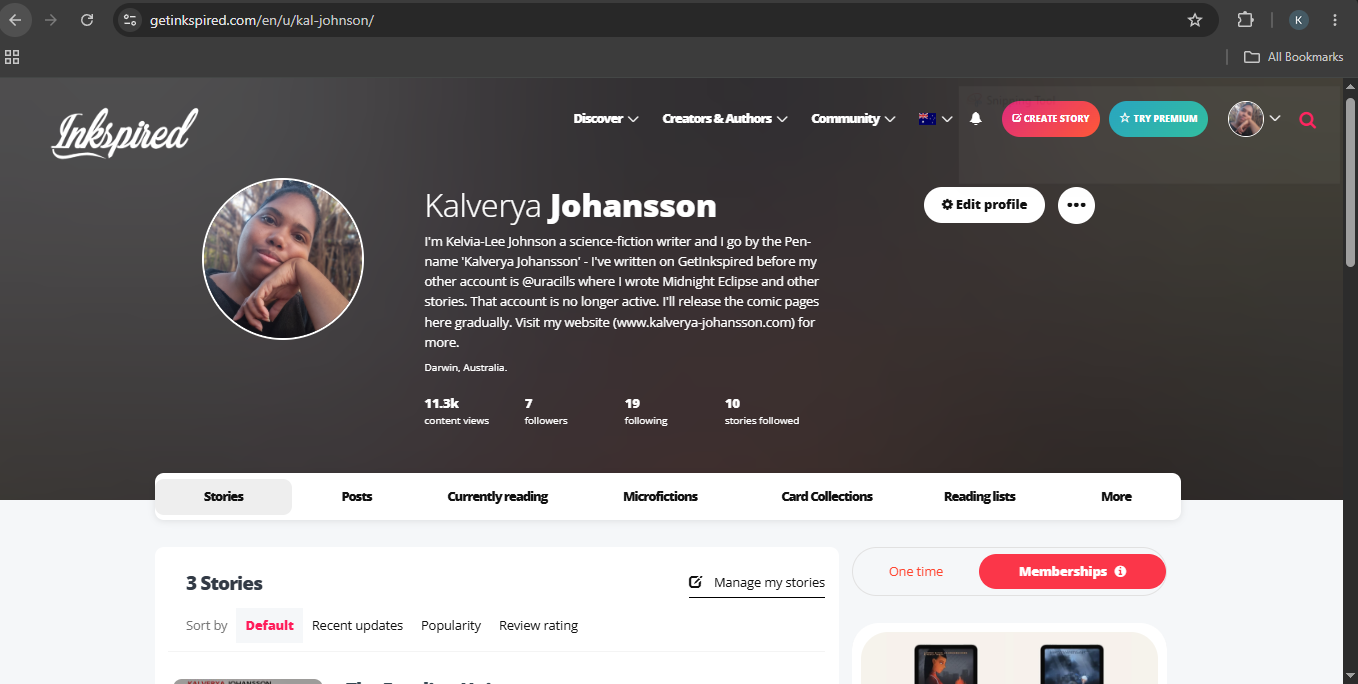
Writing @getinkspired
I hadn’t always intended to write online. For years my goal was simply to write stories — many stories — and publish them as books. I began by uploading my work to Smashwords, where I gained a handful of readers, but I soon realised not everyone wanted to buy an ebook. So I adapted my approach, making my books more accessible and appealing to a wider audience by offering different ways to enjoy them — though not as audiobooks, at least for now
I hadn’t always intended to write online. For years my goal was simply to write stories — many stories — and publish them as books. I began by uploading my work to Smashwords, where I gained a handful of readers, but I soon realised not everyone wanted to buy an ebook. So I adapted my approach, making my books more accessible and appealing to a wider audience by offering different ways to enjoy them — though not as audiobooks, at least for now.

How Self-Publishers Make their Book Sales
Self-publishers boost sales by pairing high-quality production with strategic visibility. Start by making the book look and read professionally: thorough editing, an eye-catching cover and clean interior formatting. Readers decide quickly, and a polished product turns interest into purchases. Paying for freelance editors, cover designers and formatters is a common upfront expense that pays off by cutting negative reviews and building reader trust.

Self-Publishing, Business Growth and Financing Guidance
Self-publishing, business growth and financing guidance converge at the practical centre of turning creative work into a sustainable enterprise. For authors, podcasters and creators, self-publishing gives direct control over content, rights and distribution — enabling faster time-to-market, flexible pricing and closer engagement with audiences. Launching a title is only the beginning; scaling a creative project into dependable income demands deliberate business planning, targeted marketing and robust operational systems.

How Writers Write their Science-Fiction Stories
Science-fiction writers typically start with a single question — what if this technology emerged, or a particular social change took hold? That question becomes the story’s anchor, shaping worldbuilding, character motivations and the plot’s trajectory. From one speculative premise, authors trace the ripple effects: shifts in politics, cultural responses, ethical conflicts and the everyday consequences for ordinary people. This careful logical probing keeps the fiction grounded, ensuring speculative elements drive the narrative rather than merely ornament it.

The Biggest Struggles in Self-Publishing Fiction Yesterday
In the era of rapid technological change, particularly the rise of artificial intelligence, self‑published authors have more tools than ever to boost discoverability and increase royalties: AI‑driven services streamline editing, cover design, metadata optimisation and targeted marketing, allowing indie writers to produce professional‑quality books at a fraction of traditional costs. Yet many challenges persist—reader habits remain highly genre‑specific, and even the best‑produced indie titles struggle to reach target audiences when an author’s platform is weak. Historically, advances from traditional publishers provided both a financial cushion and a visibility amplifier—an imprint, polished production values and publicity muscle that translated into wider distribution and reader trust—and while that advantage has eroded, the core problem remains: insufficient reach limits community engagement and long‑term readership growth. Self‑publishing removes many gatekeeping barriers and, combined with AI, raises the baseline quality of output and enables more precise tailoring to audience preferences; still, books now compete fiercely with immersive video and on‑demand audio for attention and time. To convert casual attention into committed readership, independent authors must pair technical polish with sustained platform building, deliberate community engagement and multimedia strategies that meet readers where they already spend time—only then can the promise of new technologies translate into measurable discoverability and revenue.

The Business of Self-publishing and Traditional Publishing
Self-publishing has transformed from a niche alternative to a mainstream route for authors seeking control, speed, and higher royalty potential. It encompasses a suite of services and choices—manuscript preparation, editing, cover and interior design, formatting, distribution across print-on-demand and e-book platforms, marketing, and rights management—that together let writers shepherd their work from draft to market without traditional gatekeepers. The business of self-publishing requires not just creative skill but also entrepreneurship: authors become project managers, marketers, and sometimes small-press operators who must balance quality, cost, and visibility.
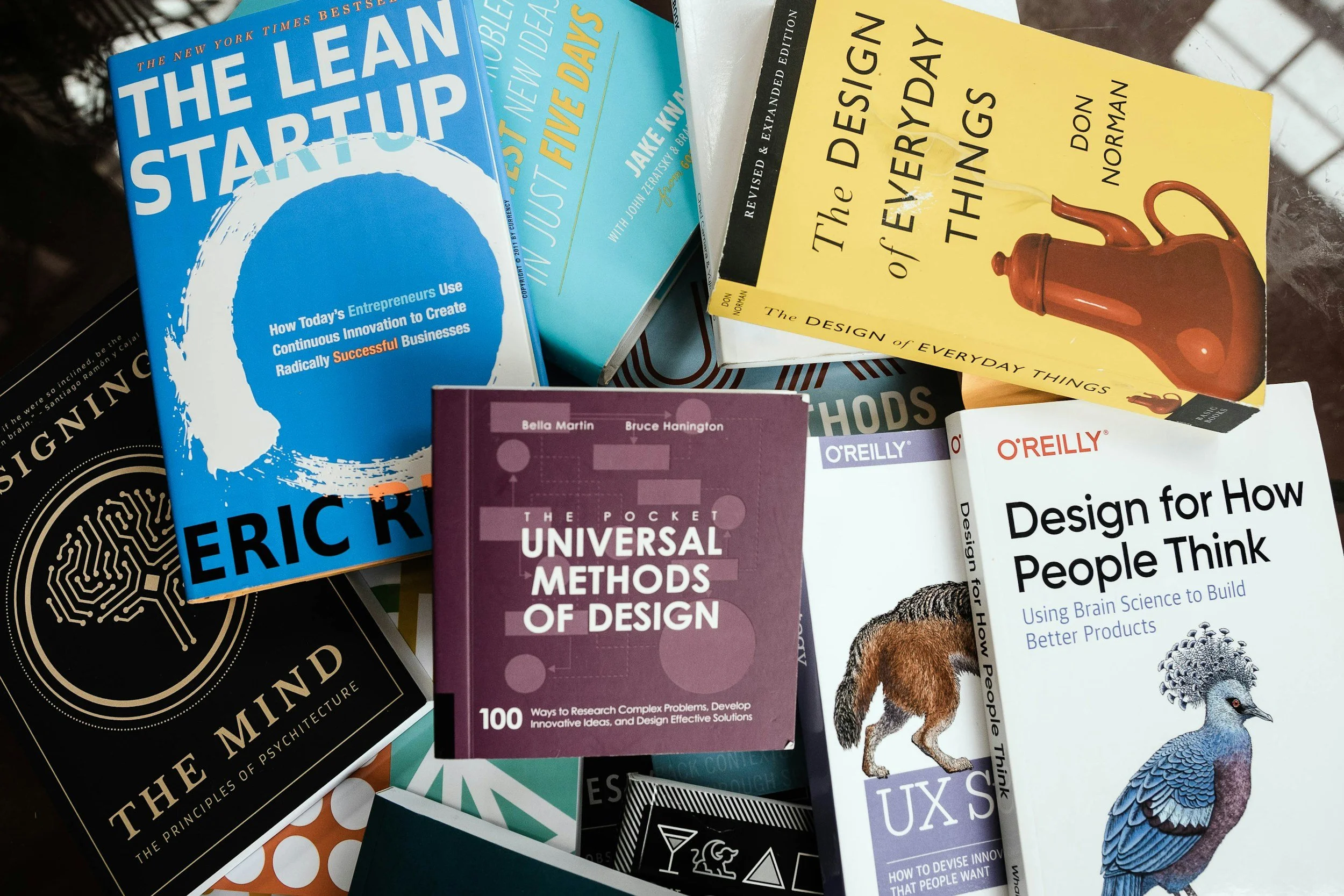
Self-Publishing and Google Fiction Book Trends
Self-publishing a book has shifted from a niche option to a professional pathway for writers who want creative control, faster time-to-market and higher royalty potential. Advances in print-on-demand, digital distribution and accessible design tools mean authors can manage every stage—from manuscript polishing and cover design to formatting, distribution and marketing. Successful self-publishing demands both literary craft and entrepreneurial skills: understanding editing standards, metadata, pricing strategies and platform-specific requirements, plus building an author presence to reach readers directly. For many authors, the trade-off of taking on these responsibilities is the reward of ownership over intellectual property and the ability to pivot quickly in response to reader feedback and market trends. Google Fiction Book Trends offers a complementary, data-driven perspective for authors planning and positioning self-published titles; by analysing search behaviour, rising keywords, seasonal interest and regional demand, authors can identify emerging subgenres, popular themes and gaps in the market. Insights from Google Trends help shape title choices, blurbs, cover aesthetics and marketing campaigns—allowing authors to align creative decisions with measurable reader interest. Together, self-publishing know-how and Google-driven trend analysis form a practical playbook for authors aiming to publish with purpose and reach audiences in an increasingly crowded fiction landscape.

How Self-Publishing Works
Self-publishing places authors in full control of the creation, production and distribution of their work, bypassing traditional publishing houses; rather than submitting manuscripts to agents and waiting for acceptance, authors oversee—or selectively outsource—the editorial process, cover and interior design, formatting, printing, distribution and marketing. The rise of digital platforms and print-on-demand services has transformed this model, making publishing more accessible, cost-effective and considerably faster than the conventional route, while also allowing writers to retain rights and set their own timelines and creative direction.

How Authors Benefit from Google SEO
Authors today don’t just write books — they build discoverable literary brands, and Google SEO (search engine optimisation) gives authors a practical, low-cost way to increase visibility, attract readers, and convert casual interest into sales, subscriptions and long-term engagement. By understanding how search queries connect readers to solutions — whether people are discovering a new novel, researching an author’s background, or hunting for writing advice — authors can shape online content to appear where potential readers are already looking. Effective SEO helps authors in three primary ways: it drives organic traffic to author websites and sales channels, it enhances credibility through a prominent search presence and authoritative content, and it supports long-term audience growth by matching content to reader intent. From optimising book descriptions and blog posts to structuring author pages and using schema markup for rich search results, simple SEO practices amplify an author’s work beyond the limitations of social media algorithms and paid ads.
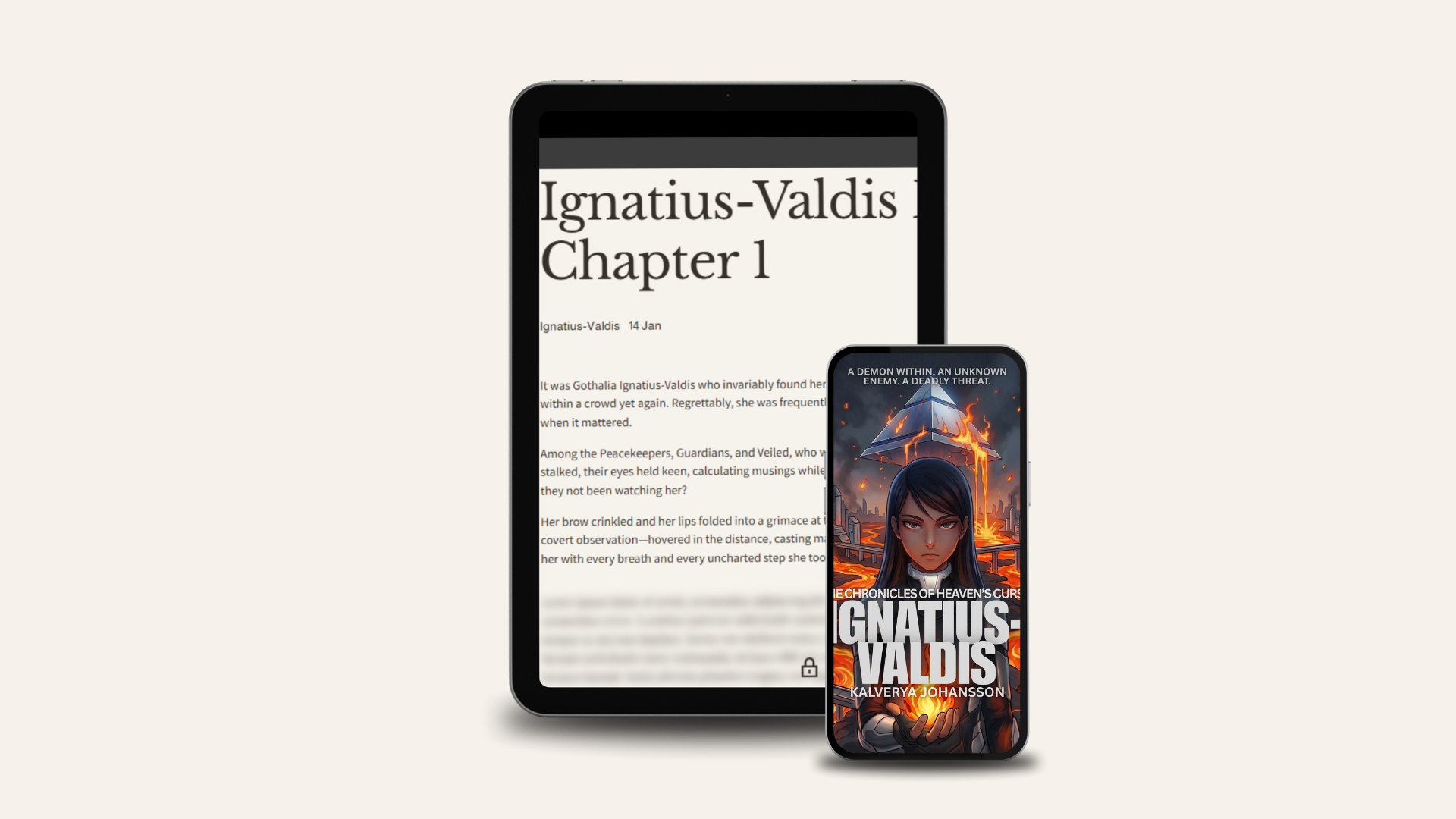
How I Captured the World of Ignatius-Valdis
When I set out to write Ignatius‑Valdis, my aim was simple: build a world that feels lived in, intense in action, and intimate enough for readers to lose themselves inside the simulation. This tale speaks to a science‑fiction audience hungry for momentum—explosions, desperate gambits, and the clatter of boot‑heels on alloy decks—while also rewarding readers who want systems, lineage, and society to matter as much as the firefights. To achieve that balance I concentrated on three interlocked efforts: the mechanics of power, the texture of civilisation, and the emotional weight of conflict. Central to the world are the Excelian Centurions of the Fire Reserve—soldiers honed to operate within a hostile simulation where a ravenous virus corrodes code and corpses alike. The Excelians are not a monolith; their competency springs from distinct bloodlines, each with its own energetic logic and cultural identity: Angelus lines channel lighter elements—luminosity, order, subtle radiances that can slice through chaos and stabilise collapsing systems—while Deamone lines favour heavy elements—density, gravity, crushing force that reshapes terrain and shatters shields—and Neutralus lines temper extremes, blending or nullifying forces to harmonise or disrupt.
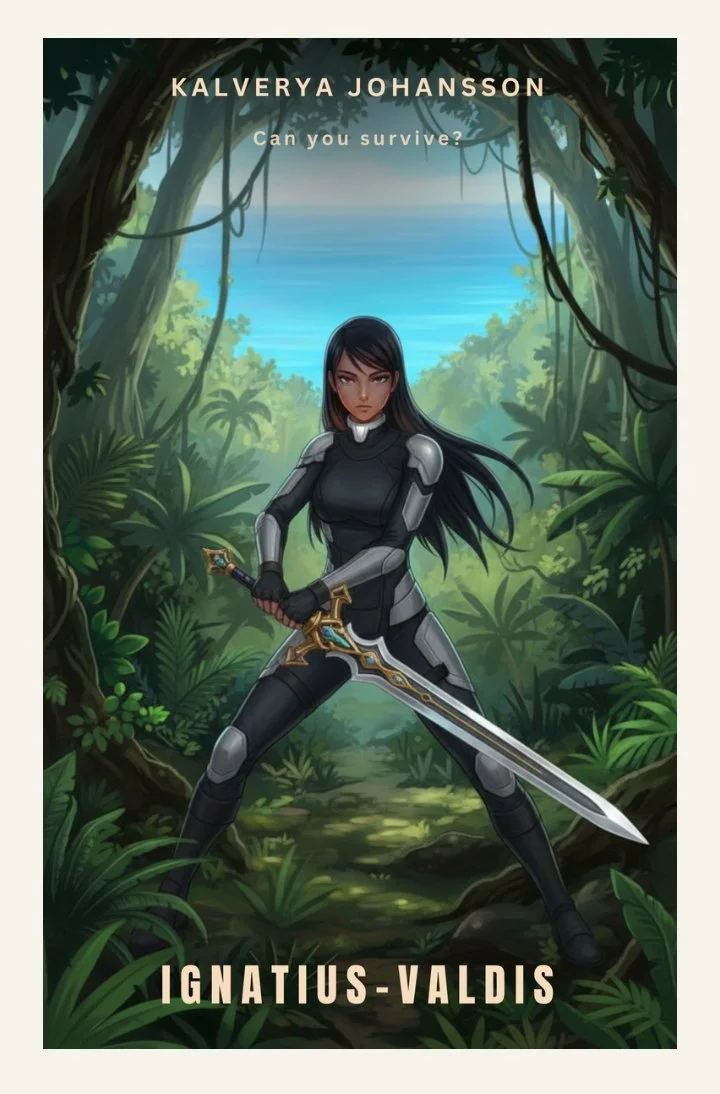
How I created the Character: Gothalia
I crafted Gothalia Ignatius-Valdis by threading together fragments of discipline, grief and defiant compassion gleaned from years of research into military archetypes and mythic tragedy; drawing her name from opposing heritages to reflect a life split between duty and forbidden longing, I built her early years around rigorous Centurion training, hard-won camaraderie and the cruel decisions that haunt commanders, then deepened her interior through moments of quiet—letters she never sent, rituals she clings to—and through the scars of battle that shape her choices in Ignatius-Valdis and Fragmented Deamone, where each book peels another layer of her resilience, moral ambiguity and the slow, costly reclamation of self amid the brutal politics and supernatural burdens of the Chronicles of Heaven's Curse.
How
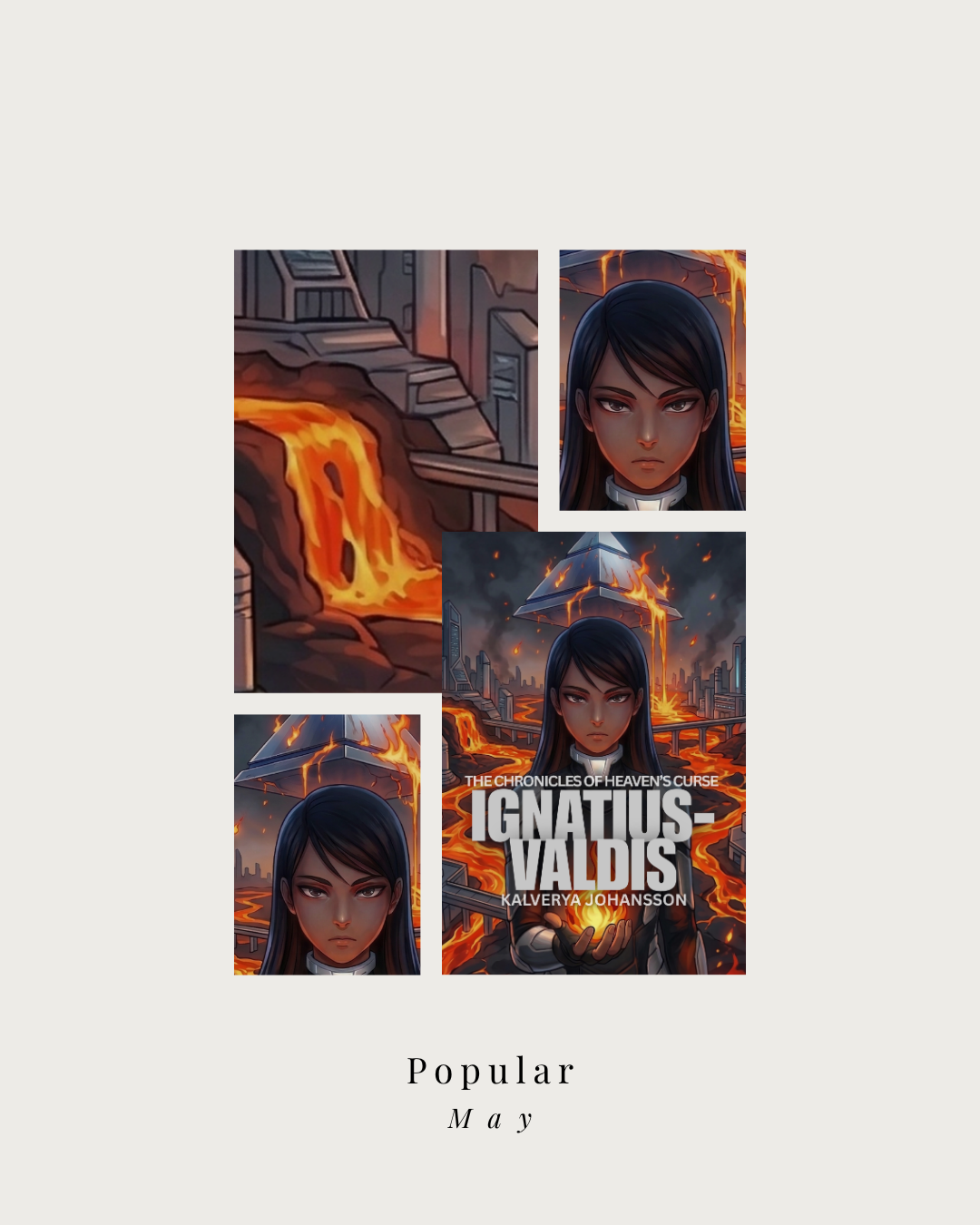
The Revised Versions of the Chronicles of Heaven's Curse Book Series
Knowing I wanted to tell a story was one thing; knowing I could was another. The story I longed to tell—the Chronicles of Heaven's Curse—was clear in my mind, and my goal was to capture readers and hold their attention from beginning to end. When the time came to write, I leaned into action, adventure, and science fiction with touches of the supernatural, though I resisted blending every genre at once. I rewrote Midnight Eclipse repeatedly until its core felt true, and I did the same with Ignatius-Valdis, refining the prose until the narrative flowed cinematically and read smoothly.

Science-Fiction in Ignatius-Valdis
Knowing how I created science fiction in Ignatius‑Valdis wasn't always easy. Often the themes and subgenres were already there, waiting to be recognised, but the challenge was to present them in a way that felt fresh and suited the audience I had in mind — to find the precise hook, the right tone, and a narrative voice that would carry readers to the last page. I had to work out which themes to weave in, build believable characters, and design science‑fiction systems that were transparent and easy to follow, so the mechanics supported the drama rather than obscured it. I didn't always get it right: sometimes the path of the story eluded me or the concepts resisted clear form. Still, I kept trying, channelling a unique take on superhumans, metahumans and the invisible wars everyone faces, aiming for a story that felt both inventive and emotionally honest.
Attracting Science-Fiction Readers to Your Indie Book
Narrowing your focus is the first step: science-fiction readers are famously particular, each sub-genre carrying its own promises and expectations — hard SF demands plausible science and consequence, space opera wants sweep and politics, cyberpunk looks for grit and systems critique — and an indie novel that tries to be everything risks pleasing no one. Identify the sub-genre and lean into its core tropes thoughtfully; signalling matters: don’t hide behind the broad label “science fiction,” but use blurbs, categories and copy to tell readers whether they’ll find a near‑future surveillance dystopia, a rigorously scientific first‑contact, or a melancholic solarpunk about repair and ecosystems. Clear signalling reduces discovery friction on algorithmed platforms and places your book where niche fans already search. Write trope‑aware fiction that still surprises — respect the conventions readers rely on, then reward their genre literacy with a distinctive twist: an unexpected ethical dilemma, a novel technological limitation, or a protagonist’s reframing of the familiar — because consistent delivery plus smart subversion builds trust and word‑of‑mouth in communities that prize consistency.

Creating a Story that Engages in Science-Fiction
Creating engaging sci‑fi starts with a solid grounding in plausible science—readers expect technologies that feel attainable, logical social consequences of advances, and internal consistency to sustain suspension of disbelief—so authors earn trust by researching physics, biology, engineering or space travel and then stretching those facts thoughtfully, allowing the extraordinary to grow naturally from the ordinary; equally essential is character as the engine that carries speculative ideas into emotional territory, since even tales of warp drives or sentient AI succeed when protagonists with clear motivations, ethical dilemmas and vulnerabilities intersect with the tech or cosmic setting, making inventions that complicate love, survival or identity meaningful rather than merely decorative and prompting the audience to invest in people as well as gadgets.
Start Today
☆
Start Today ☆
Sign up to blog
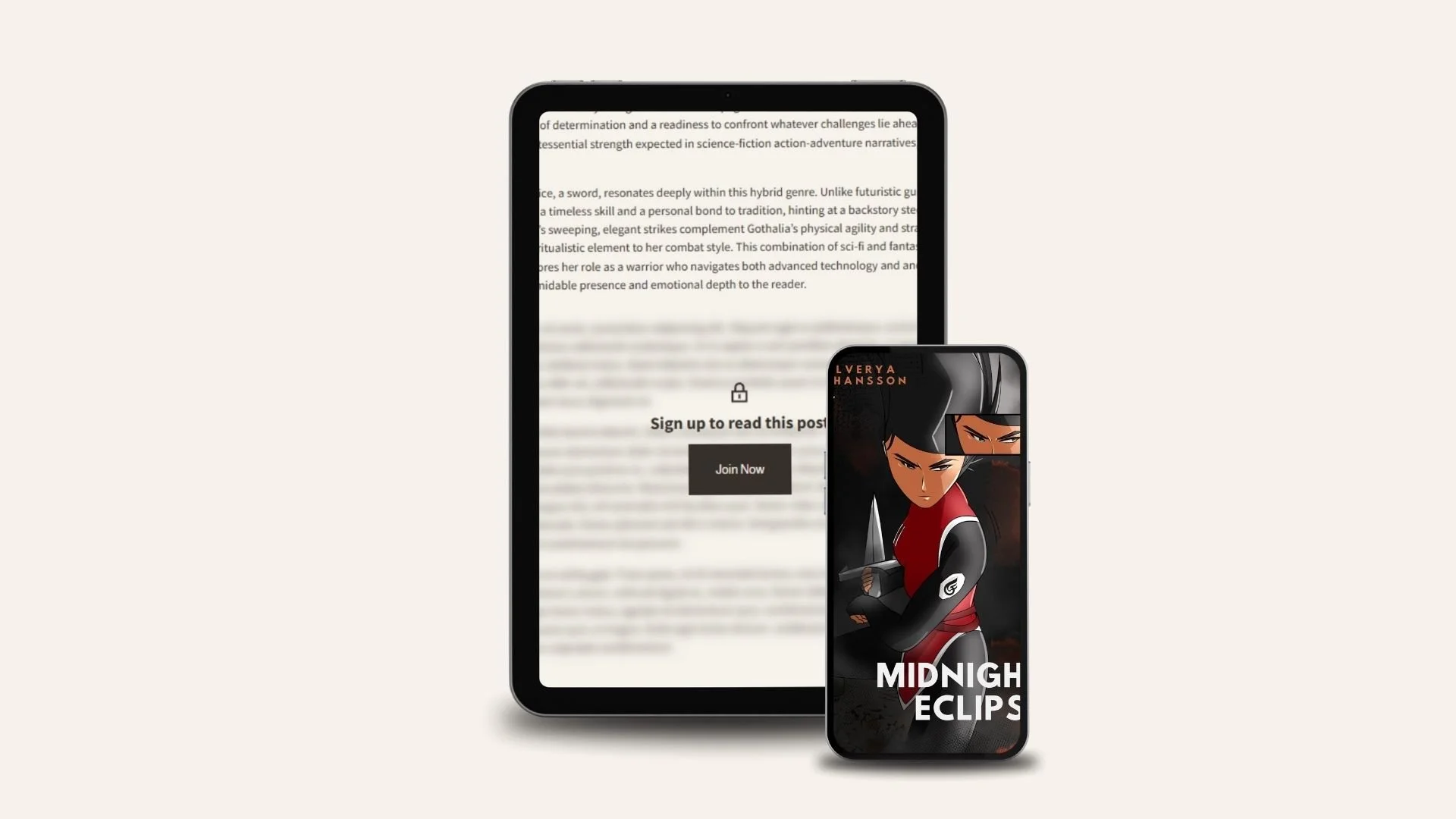
Get anytime access to my growing collection of blogs, art and concepts, behind-the-scenes content, writer's creation and exclusive content. New items added month.