The Blog
The Blog
Kalverya Johansson’s blog offers a focused exploration of science fiction novels and comic book art, blending insightful analysis with passionate storytelling. Designed for enthusiasts and casual readers alike, it provides engaging content that highlights the creativity and innovation within these genres.
“Your story immediately stood out to me with its vivid imagery and emotional depth. Every scene felt alive, almost cinematic, and your world-building was beautifully crafted.”
— Reader Review, Elsa

How Self-Publishing Works
Self-publishing places authors in full control of the creation, production and distribution of their work, bypassing traditional publishing houses; rather than submitting manuscripts to agents and waiting for acceptance, authors oversee—or selectively outsource—the editorial process, cover and interior design, formatting, printing, distribution and marketing. The rise of digital platforms and print-on-demand services has transformed this model, making publishing more accessible, cost-effective and considerably faster than the conventional route, while also allowing writers to retain rights and set their own timelines and creative direction.

How Authors Benefit from Google SEO
Authors today don’t just write books — they build discoverable literary brands, and Google SEO (search engine optimisation) gives authors a practical, low-cost way to increase visibility, attract readers, and convert casual interest into sales, subscriptions and long-term engagement. By understanding how search queries connect readers to solutions — whether people are discovering a new novel, researching an author’s background, or hunting for writing advice — authors can shape online content to appear where potential readers are already looking. Effective SEO helps authors in three primary ways: it drives organic traffic to author websites and sales channels, it enhances credibility through a prominent search presence and authoritative content, and it supports long-term audience growth by matching content to reader intent. From optimising book descriptions and blog posts to structuring author pages and using schema markup for rich search results, simple SEO practices amplify an author’s work beyond the limitations of social media algorithms and paid ads.
Attracting Science-Fiction Readers to Your Indie Book
Narrowing your focus is the first step: science-fiction readers are famously particular, each sub-genre carrying its own promises and expectations — hard SF demands plausible science and consequence, space opera wants sweep and politics, cyberpunk looks for grit and systems critique — and an indie novel that tries to be everything risks pleasing no one. Identify the sub-genre and lean into its core tropes thoughtfully; signalling matters: don’t hide behind the broad label “science fiction,” but use blurbs, categories and copy to tell readers whether they’ll find a near‑future surveillance dystopia, a rigorously scientific first‑contact, or a melancholic solarpunk about repair and ecosystems. Clear signalling reduces discovery friction on algorithmed platforms and places your book where niche fans already search. Write trope‑aware fiction that still surprises — respect the conventions readers rely on, then reward their genre literacy with a distinctive twist: an unexpected ethical dilemma, a novel technological limitation, or a protagonist’s reframing of the familiar — because consistent delivery plus smart subversion builds trust and word‑of‑mouth in communities that prize consistency.
Start Today
☆
Start Today ☆
Sign up to blog
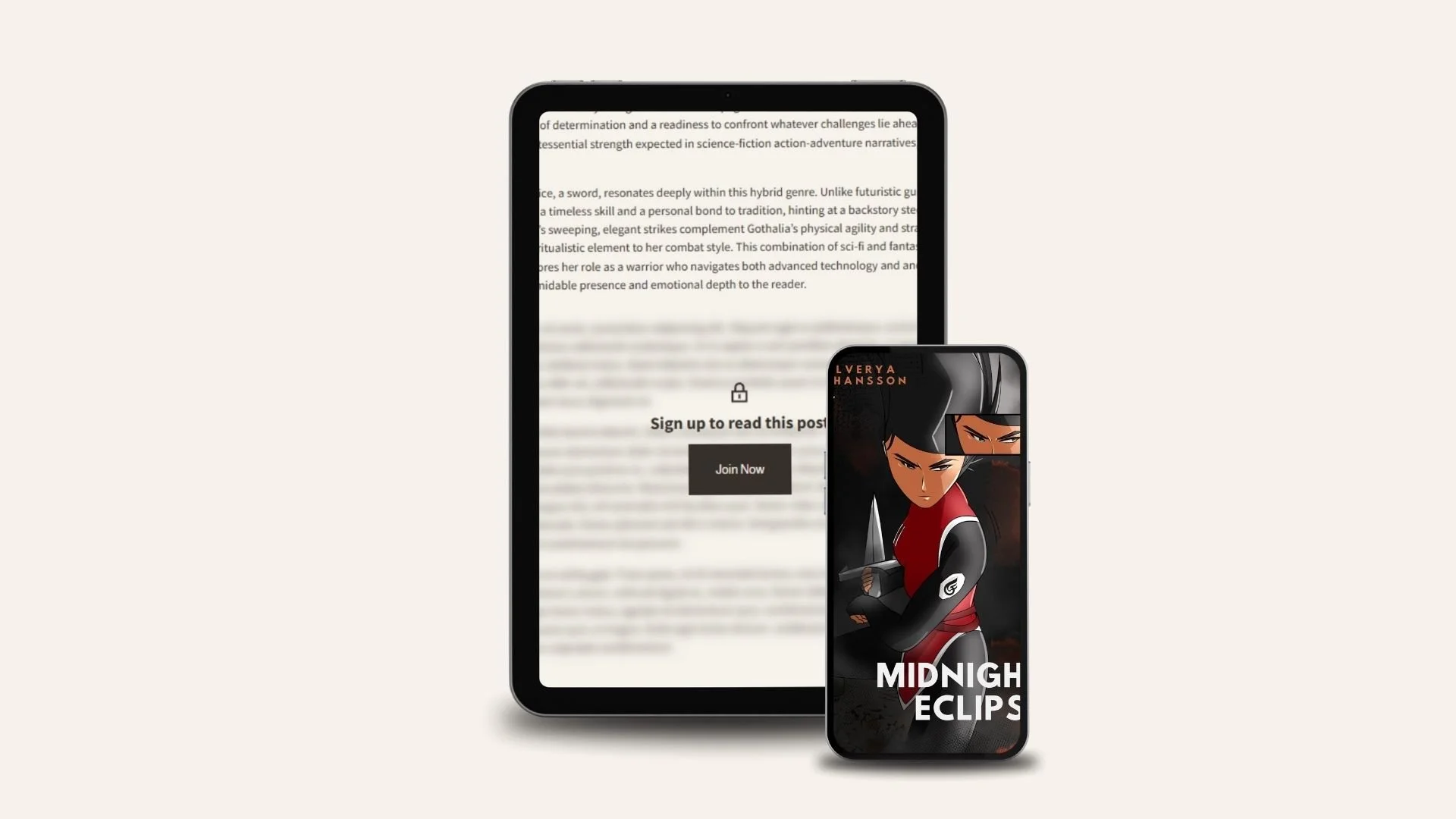
Get anytime access to my growing collection of blogs, art and concepts, behind-the-scenes content, writer's creation and exclusive content. New items added month.