The Blog
The Blog
Kalverya Johansson’s blog offers a focused exploration of science fiction novels and comic book art, blending insightful analysis with passionate storytelling. Designed for enthusiasts and casual readers alike, it provides engaging content that highlights the creativity and innovation within these genres.
“Your story immediately stood out to me with its vivid imagery and emotional depth. Every scene felt alive, almost cinematic, and your world-building was beautifully crafted.”
— Reader Review, Elsa

Direct Sales Conversion Rates: How to Optimize Your Ebook Storefront
Direct sales conversion rates for an ebook storefront hinge on clarity, trust and frictionless purchase paths: optimise product pages with concise, benefit-led descriptions and compelling cover images; display immediate social proof such as reader reviews and ratings; simplify the checkout to minimise steps, pre-fill fields where possible and offer multiple secure payment options; A/B test pricing, call-to-action copy and promotional banners to learn what drives clicks to purchases; use targeted landing pages and email follow-ups for abandoned carts; ensure fast page load and mobile responsiveness; and track micro-conversions (preview clicks, add-to-cart, time on page) with analytics to prioritise changes that raise the overall conversion rate.

The Pros and Cons of a Readership for Authors
A committed readership gives authors instant feedback that sharpens their craft. Regular readers signal what succeeds and what falls flat — favourite characters, resonant plot moments and passages that lag. That insight allows writers to tighten pacing, enrich emotional beats and fix narrative gaps before unhelpful habits set in. For debut and self-published authors in particular, an engaged audience can speed up learning that might otherwise take years.
Writing @getinkspired
I hadn’t always intended to write online. For years my goal was simply to write stories — many stories — and publish them as books. I began by uploading my work to Smashwords, where I gained a handful of readers, but I soon realised not everyone wanted to buy an ebook. So I adapted my approach, making my books more accessible and appealing to a wider audience by offering different ways to enjoy them — though not as audiobooks, at least for now
I hadn’t always intended to write online. For years my goal was simply to write stories — many stories — and publish them as books. I began by uploading my work to Smashwords, where I gained a handful of readers, but I soon realised not everyone wanted to buy an ebook. So I adapted my approach, making my books more accessible and appealing to a wider audience by offering different ways to enjoy them — though not as audiobooks, at least for now.

How Self-Publishers Make their Book Sales
Self-publishers boost sales by pairing high-quality production with strategic visibility. Start by making the book look and read professionally: thorough editing, an eye-catching cover and clean interior formatting. Readers decide quickly, and a polished product turns interest into purchases. Paying for freelance editors, cover designers and formatters is a common upfront expense that pays off by cutting negative reviews and building reader trust.

The Biggest Struggles in Self-Publishing Fiction Yesterday
In the era of rapid technological change, particularly the rise of artificial intelligence, self‑published authors have more tools than ever to boost discoverability and increase royalties: AI‑driven services streamline editing, cover design, metadata optimisation and targeted marketing, allowing indie writers to produce professional‑quality books at a fraction of traditional costs. Yet many challenges persist—reader habits remain highly genre‑specific, and even the best‑produced indie titles struggle to reach target audiences when an author’s platform is weak. Historically, advances from traditional publishers provided both a financial cushion and a visibility amplifier—an imprint, polished production values and publicity muscle that translated into wider distribution and reader trust—and while that advantage has eroded, the core problem remains: insufficient reach limits community engagement and long‑term readership growth. Self‑publishing removes many gatekeeping barriers and, combined with AI, raises the baseline quality of output and enables more precise tailoring to audience preferences; still, books now compete fiercely with immersive video and on‑demand audio for attention and time. To convert casual attention into committed readership, independent authors must pair technical polish with sustained platform building, deliberate community engagement and multimedia strategies that meet readers where they already spend time—only then can the promise of new technologies translate into measurable discoverability and revenue.
Self-Publishing and Google Fiction Book Trends
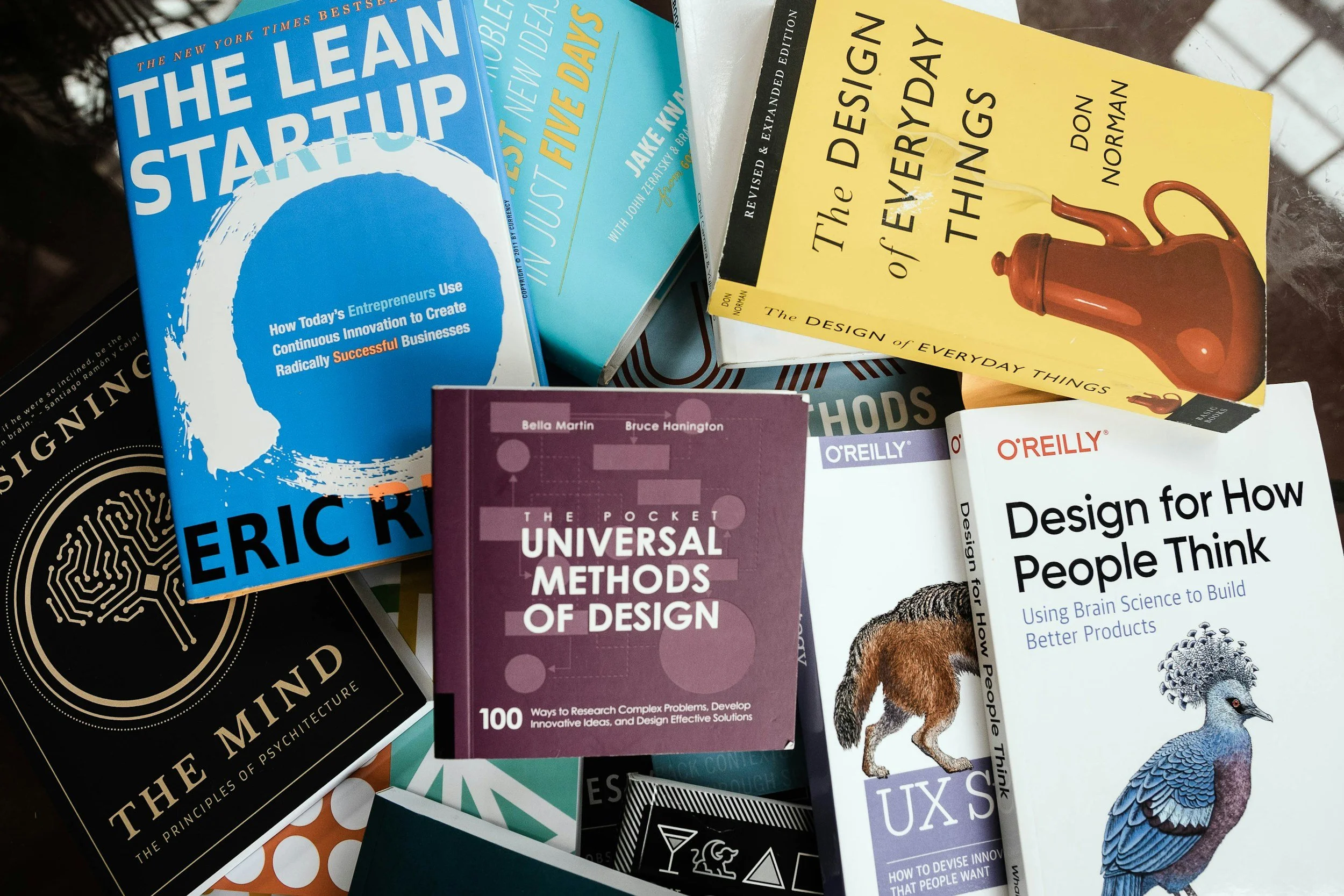
Self-publishing a book has shifted from a niche option to a professional pathway for writers who want creative control, faster time-to-market and higher royalty potential. Advances in print-on-demand, digital distribution and accessible design tools mean authors can manage every stage—from manuscript polishing and cover design to formatting, distribution and marketing. Successful self-publishing demands both literary craft and entrepreneurial skills: understanding editing standards, metadata, pricing strategies and platform-specific requirements, plus building an author presence to reach readers directly. For many authors, the trade-off of taking on these responsibilities is the reward of ownership over intellectual property and the ability to pivot quickly in response to reader feedback and market trends. Google Fiction Book Trends offers a complementary, data-driven perspective for authors planning and positioning self-published titles; by analysing search behaviour, rising keywords, seasonal interest and regional demand, authors can identify emerging subgenres, popular themes and gaps in the market. Insights from Google Trends help shape title choices, blurbs, cover aesthetics and marketing campaigns—allowing authors to align creative decisions with measurable reader interest. Together, self-publishing know-how and Google-driven trend analysis form a practical playbook for authors aiming to publish with purpose and reach audiences in an increasingly crowded fiction landscape.

How Self-Publishing Works
Self-publishing places authors in full control of the creation, production and distribution of their work, bypassing traditional publishing houses; rather than submitting manuscripts to agents and waiting for acceptance, authors oversee—or selectively outsource—the editorial process, cover and interior design, formatting, printing, distribution and marketing. The rise of digital platforms and print-on-demand services has transformed this model, making publishing more accessible, cost-effective and considerably faster than the conventional route, while also allowing writers to retain rights and set their own timelines and creative direction.
How I Captured the World of Ignatius-Valdis
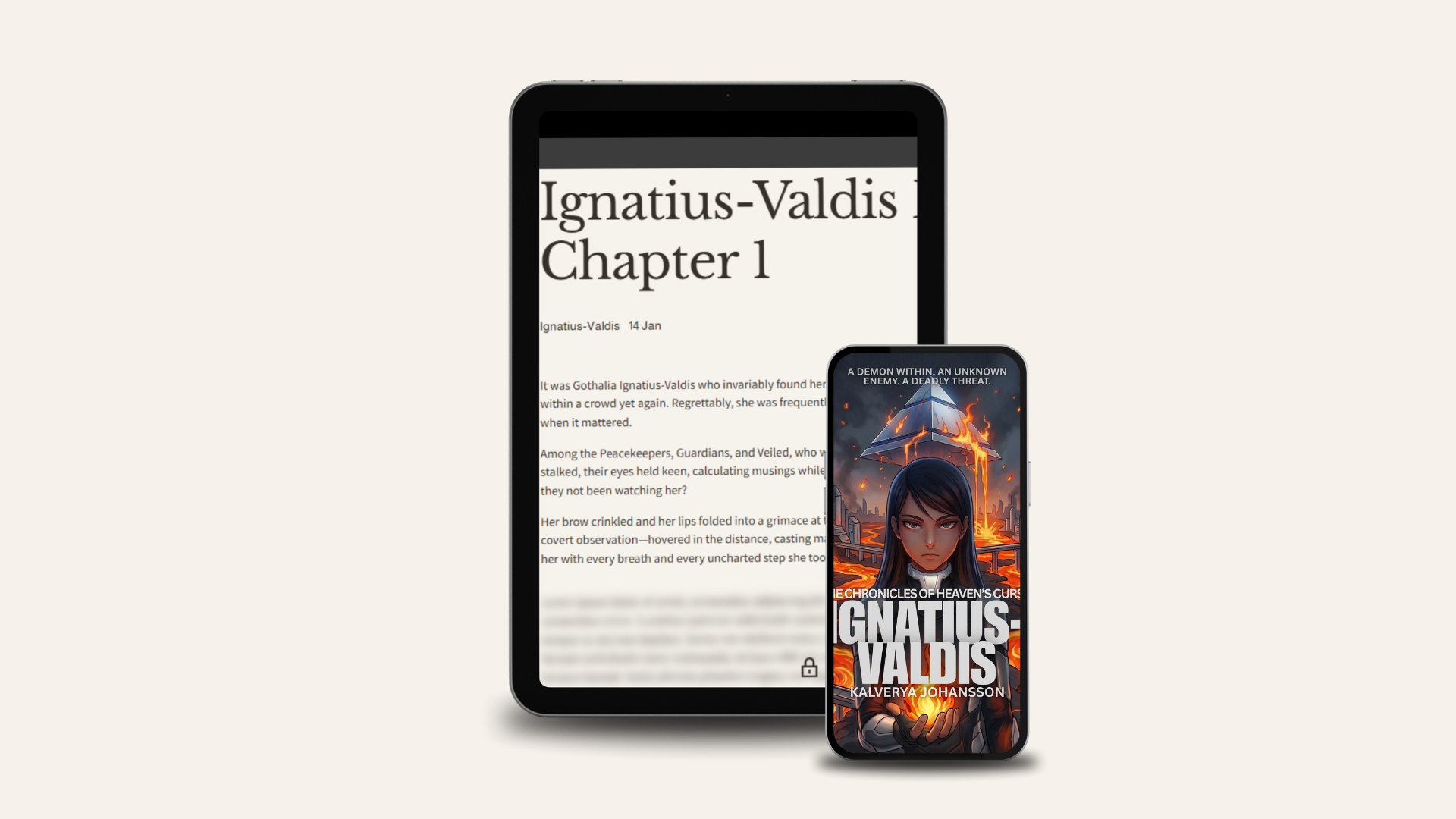
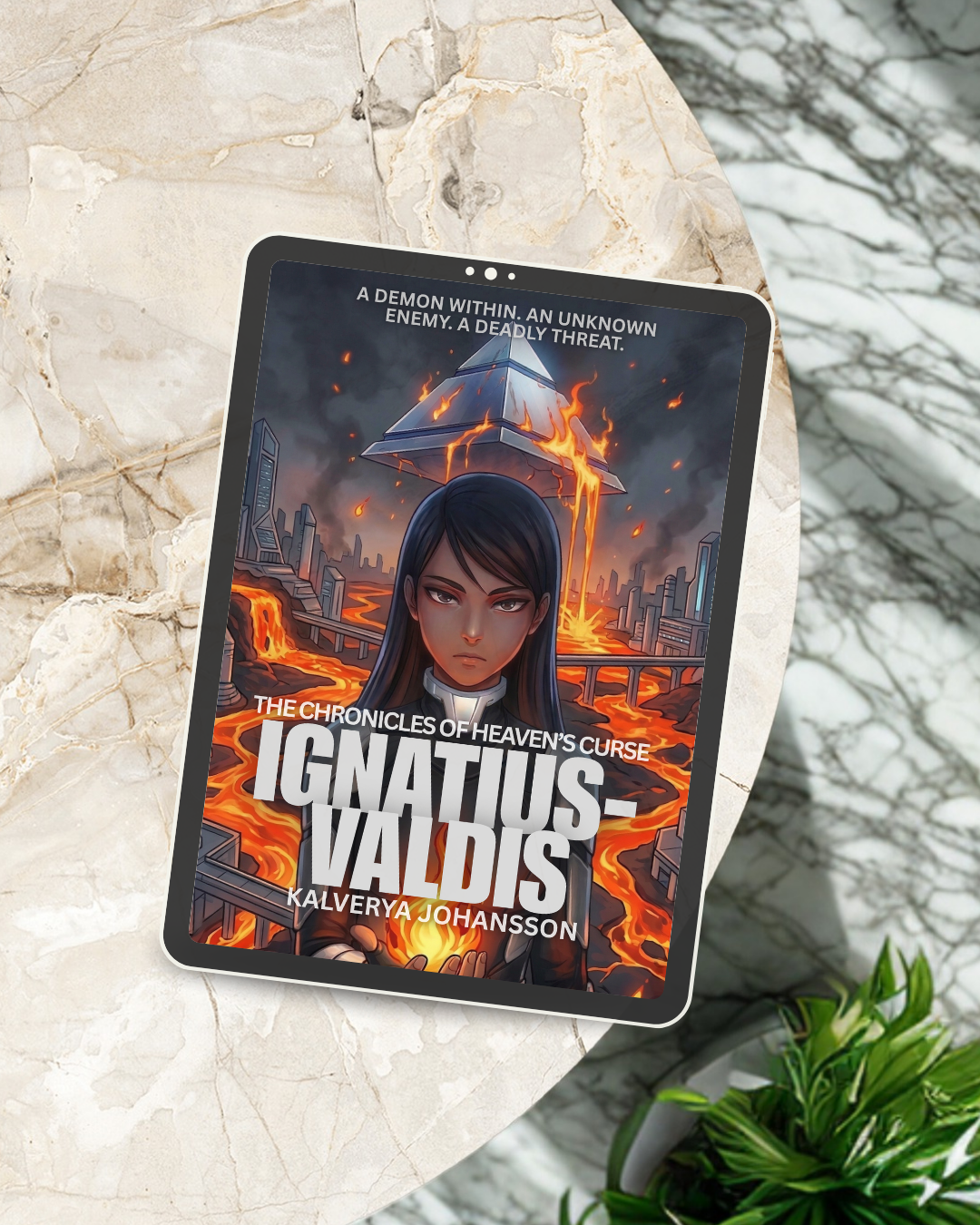
When I set out to write Ignatius‑Valdis, my aim was simple: build a world that feels lived in, intense in action, and intimate enough for readers to lose themselves inside the simulation. This tale speaks to a science‑fiction audience hungry for momentum—explosions, desperate gambits, and the clatter of boot‑heels on alloy decks—while also rewarding readers who want systems, lineage, and society to matter as much as the firefights. To achieve that balance I concentrated on three interlocked efforts: the mechanics of power, the texture of civilisation, and the emotional weight of conflict. Central to the world are the Excelian Centurions of the Fire Reserve—soldiers honed to operate within a hostile simulation where a ravenous virus corrodes code and corpses alike. The Excelians are not a monolith; their competency springs from distinct bloodlines, each with its own energetic logic and cultural identity: Angelus lines channel lighter elements—luminosity, order, subtle radiances that can slice through chaos and stabilise collapsing systems—while Deamone lines favour heavy elements—density, gravity, crushing force that reshapes terrain and shatters shields—and Neutralus lines temper extremes, blending or nullifying forces to harmonise or disrupt.
The Revised Versions of the Chronicles of Heaven's Curse Book Series
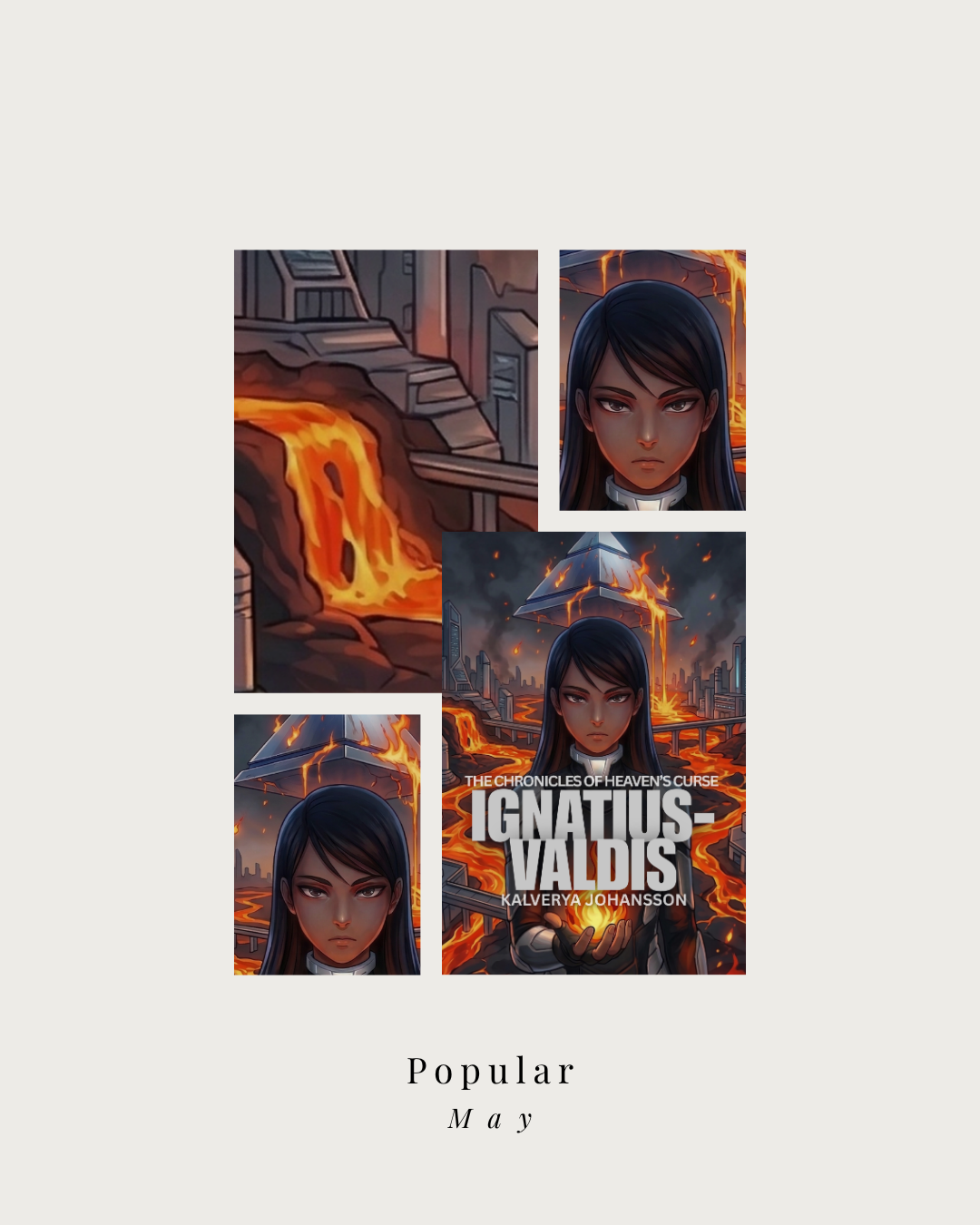
Knowing I wanted to tell a story was one thing; knowing I could was another. The story I longed to tell—the Chronicles of Heaven's Curse—was clear in my mind, and my goal was to capture readers and hold their attention from beginning to end. When the time came to write, I leaned into action, adventure, and science fiction with touches of the supernatural, though I resisted blending every genre at once. I rewrote Midnight Eclipse repeatedly until its core felt true, and I did the same with Ignatius-Valdis, refining the prose until the narrative flowed cinematically and read smoothly.
Science-Fiction in Ignatius-Valdis
Knowing how I created science fiction in Ignatius‑Valdis wasn't always easy. Often the themes and subgenres were already there, waiting to be recognised, but the challenge was to present them in a way that felt fresh and suited the audience I had in mind — to find the precise hook, the right tone, and a narrative voice that would carry readers to the last page. I had to work out which themes to weave in, build believable characters, and design science‑fiction systems that were transparent and easy to follow, so the mechanics supported the drama rather than obscured it. I didn't always get it right: sometimes the path of the story eluded me or the concepts resisted clear form. Still, I kept trying, channelling a unique take on superhumans, metahumans and the invisible wars everyone faces, aiming for a story that felt both inventive and emotionally honest.
Attracting Science-Fiction Readers to Your Indie Book
Narrowing your focus is the first step: science-fiction readers are famously particular, each sub-genre carrying its own promises and expectations — hard SF demands plausible science and consequence, space opera wants sweep and politics, cyberpunk looks for grit and systems critique — and an indie novel that tries to be everything risks pleasing no one. Identify the sub-genre and lean into its core tropes thoughtfully; signalling matters: don’t hide behind the broad label “science fiction,” but use blurbs, categories and copy to tell readers whether they’ll find a near‑future surveillance dystopia, a rigorously scientific first‑contact, or a melancholic solarpunk about repair and ecosystems. Clear signalling reduces discovery friction on algorithmed platforms and places your book where niche fans already search. Write trope‑aware fiction that still surprises — respect the conventions readers rely on, then reward their genre literacy with a distinctive twist: an unexpected ethical dilemma, a novel technological limitation, or a protagonist’s reframing of the familiar — because consistent delivery plus smart subversion builds trust and word‑of‑mouth in communities that prize consistency.
Writer’s Block and Regular Writing Updates in Midnight Eclipse
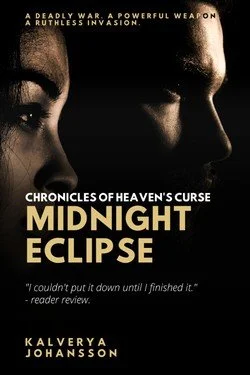
Writer’s block is a persistent shadow even for the most disciplined minds, and in Midnight Eclipse it creeps in like a midnight patrol over the City of Darwin—silent, wide-reaching, ready to smother a scene before it can breathe. Noel-Len Ignatius and Gothalia Ignatius-Valdis know this hush intimately: the pause at the brink of action, dialogue that stalls, and the way a fierce clash with the Xzandians as Excelians can go dim when the crucial detail refuses to show which is shown in the book Midnight Eclipse especially the Web-Book.
Ignatius-Valdis as a Web-Book?
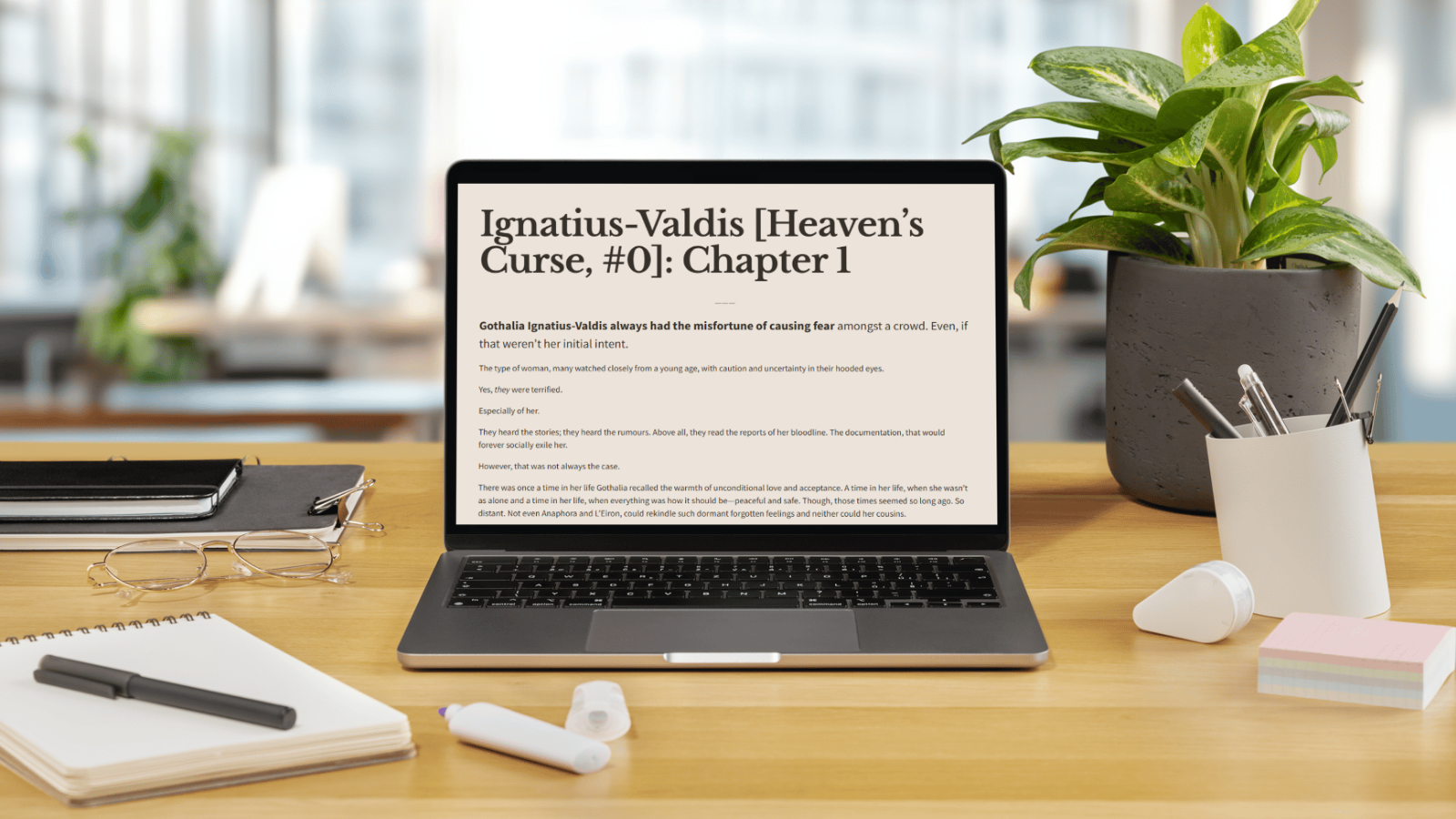
Writing the book Ignatius-Valdis as a web-book is easier for it’s convenient access and use for frequent updates as the book is online as opposed to the eBooks that only need to be released and updated once. The web-book is a book on the web that makes it easier for the audience to read.
Writing Ignatius-Valdis as a web-book prioritises convenience for both author and reader. Unlike traditional eBooks, which often require a formal release cycle and file redistribution for each revision, a web-book can be updated continuously. This immediacy means corrections, clarifications and new chapters can appear as soon as they are ready, ensuring the text remains current without readers needing to download new files or buy new editions.

In the Light of the Protagonist: Gothalia
Many stories that centre the protagonist as the luminous axis of the narrative reveal how character development and plot revelation are inseparable. When the protagonist is the perceived "light" of the story, their inner life—ambitions, fears, contradictions—casts shadows and highlights across every scene. This central focus does not flatten the fictional world; instead, it sharpens the reader’s attention on how events refract through one person’s moral and emotional lens, so that even minor incidents become charged with meaning.
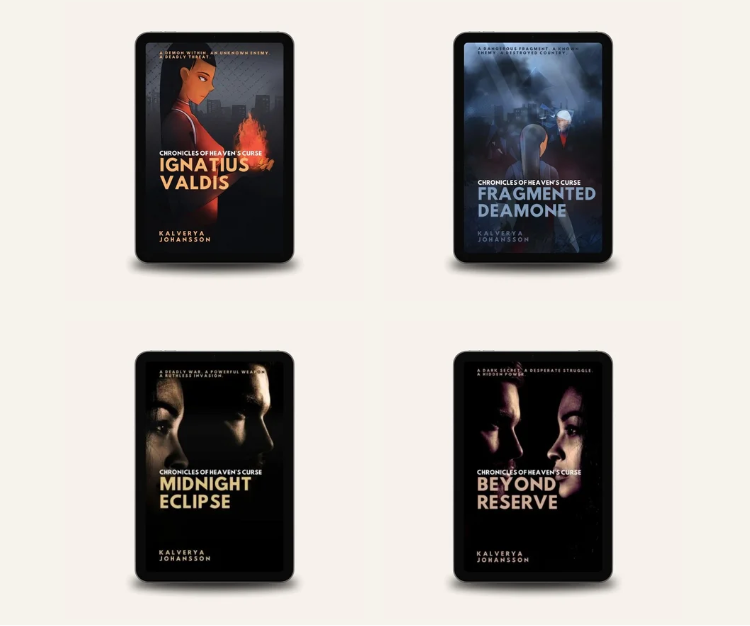
The Tale of Heaven’s Curse inside the Chronicles: Part I
The Chronicles of Heaven’s Curse gathers a mosaic of web-books and printed volumes that map the Heaven’s Curse series across the Excelian underground countries depicted in Beyond Reserve and Shadow Knight, presenting work that is simultaneously narrative and archival. In this world, celestial intervention is literal—Heaven’s metaphysical experiment is encoded into mythic prose and clinical observation alike, its simulation rerouting genealogies and producing regular, almost algorithmic patterns of inherited gifts and burdens linked to anomalously high counts of élanocytes, nélanocytes and délanocytes. Installments shift between prophetic parable as characters come to terms with being observed, with bloodlines selectively augmented or diminished. Those endowments amplify capacity but exact profound costs—psychological strain, metaphysical tethering and social upheaval—so the series charts not only spectacular abilities but the intimate and systemic conflicts Heaven’s interference creates reframing destinies, social and reconstructs of Excelian civilisation among the Excelians.

Noel-Len in Action?
Noel-Len Ignatius moves through the burned remains of a small town like any human soldier—flawed but determined. In Midnight Eclipse: Extended Edition, he relies on grit and cleverness, not superpowers or alien tech.
Through Noel-Len’s eyes, Midnight Eclipse: Extended Edition becomes a study of courage within constraint. His victories are tactical and intimate. His losses are equally human: inadequate resources, miscommunication, the weight of not knowing whether an action will close a wound or open a new danger. The narrative treats the Human condition with quiet respect: not heroic invulnerability, but stubborn ingenuity and moral complexity.
Noel-Len’s story connects worlds. Highlighting humanity’s adaptability, empathy, and quick thinking, using flaws to shape strategy and survival. Confronting alien threats and the Xzandian mystery, he survives via small, decisive acts that prove human limits can be strengths, guiding choices and alliances in an unfamiliar situation.

Gothalia in Action?
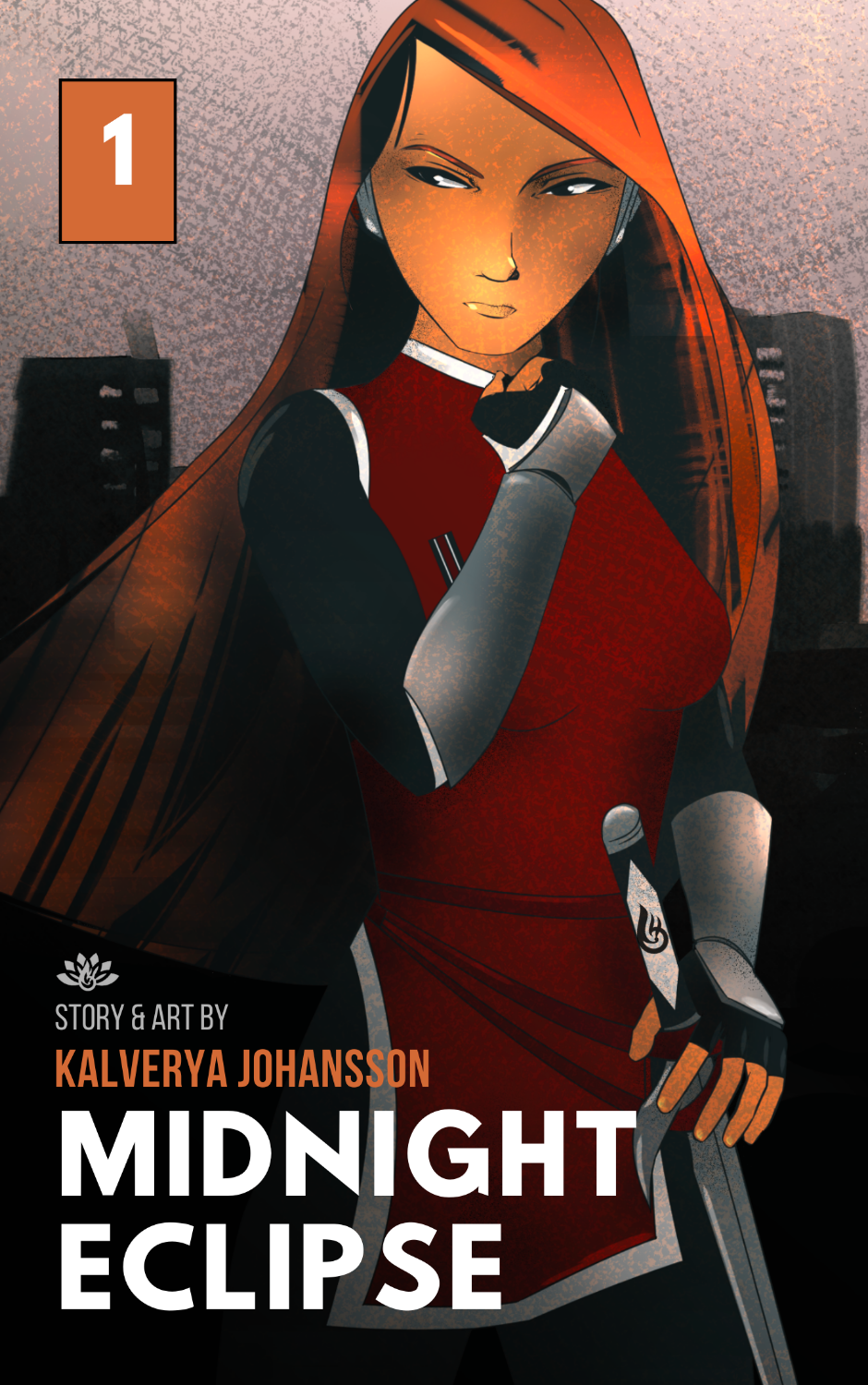
Gothalia Ignatius-Valdis emerges powerfully across the page, her figure dynamic and fluid in motion, capturing the reader’s attention immediately. Her gaze is cast off the page—not focused inward, but fixed on an unseen horizon—suggesting a sense of determination and a readiness to confront whatever challenges lie ahead. This portrayal embodies the quintessential strength expected in science-fiction action-adventure narratives, blending grit with an otherworldly aura.
Her weapon of choice, a sword, resonates deeply within this hybrid genre. Unlike futuristic guns or energy blasters, the sword signifies a timeless skill and a personal bond to tradition, hinting at a backstory steeped in culture and honour. The sword’s sweeping, elegant strikes complement Gothalia’s physical agility and strategic mind, adding a tactile and almost ritualistic element to her combat style. This combination of sci-fi and fantasy elements through the sword underscores her role as a warrior who navigates both advanced technology and ancient mysticism, reinforcing her formidable presence and emotional depth to the reader.
The Chronicles of Heaven’s Curse as a Web-Comic?
The Chronicles of Heaven’s Curse comic series thrusts readers into a gripping sci-fi action adventure set across the farthest reaches of the cosmos. Follow Gothalia Ignatius-Valdis navigate treacherous alien attacks, political conspiracies, and a mysterious curse that threatens the very fabric of the universe. The series combines pulse-pounding battles, enigmatic technology, and intense character drama, making it a must-read for fans hungry for thrills and intrigue. Each issue reveals new layers of an unfolding saga where loyalty is tested, and survival depends on confronting the shadows of the Curse of Heaven bestowed to the Excelians. Reading the novel series is only the beginning.
Start Today
☆
Start Today ☆
Sign up to blog
Get anytime access to my growing collection of blogs, art and concepts, behind-the-scenes content, writer's creation and exclusive content. New items added month.