The Blog
The Blog
Kalverya Johansson’s blog offers a focused exploration of science fiction novels and comic book art, blending insightful analysis with passionate storytelling. Designed for enthusiasts and casual readers alike, it provides engaging content that highlights the creativity and innovation within these genres.
“Your story immediately stood out to me with its vivid imagery and emotional depth. Every scene felt alive, almost cinematic, and your world-building was beautifully crafted.”
— Reader Review, Elsa
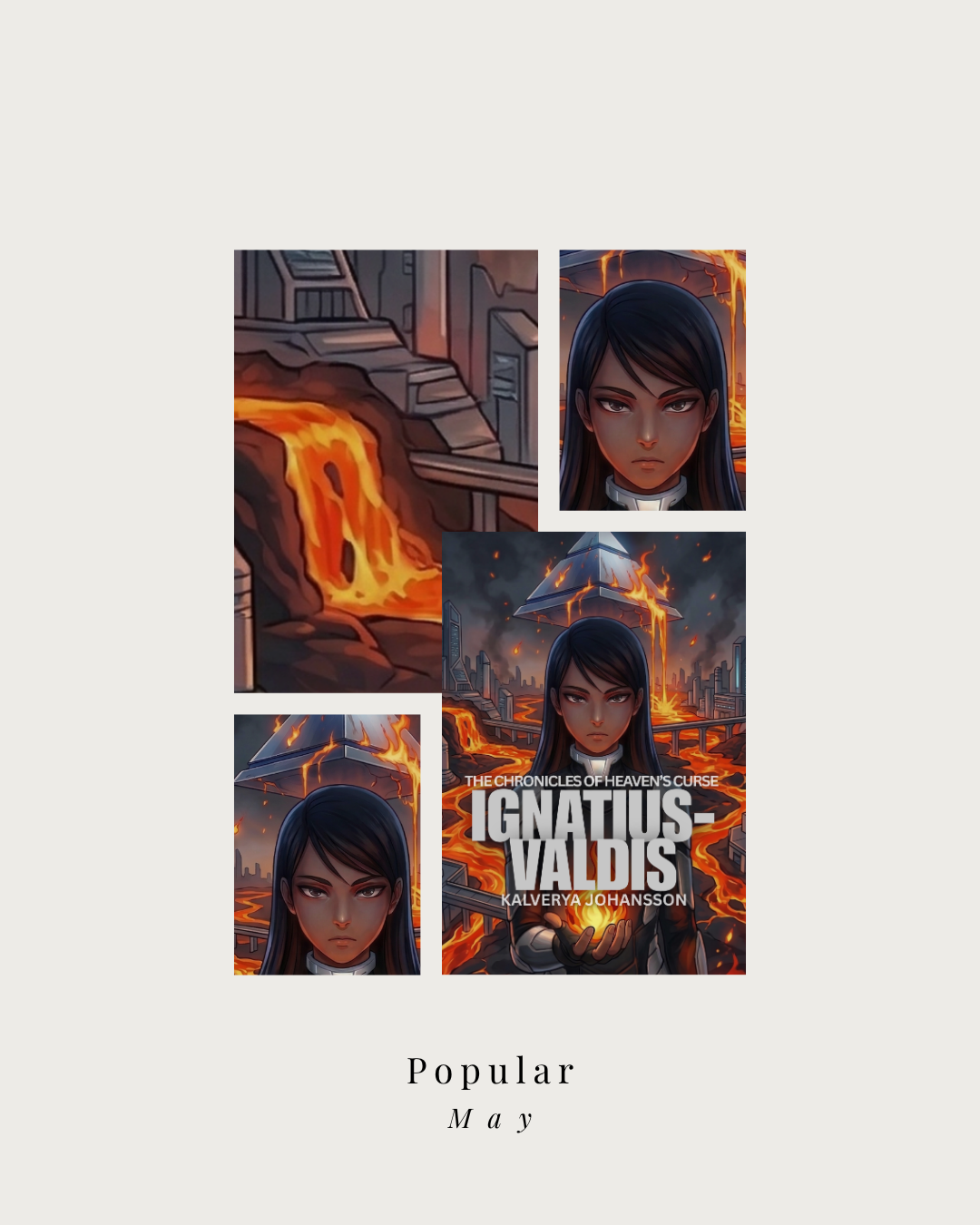
The Revised Versions of the Chronicles of Heaven's Curse Book Series
Knowing I wanted to tell a story was one thing; knowing I could was another. The story I longed to tell—the Chronicles of Heaven's Curse—was clear in my mind, and my goal was to capture readers and hold their attention from beginning to end. When the time came to write, I leaned into action, adventure, and science fiction with touches of the supernatural, though I resisted blending every genre at once. I rewrote Midnight Eclipse repeatedly until its core felt true, and I did the same with Ignatius-Valdis, refining the prose until the narrative flowed cinematically and read smoothly.
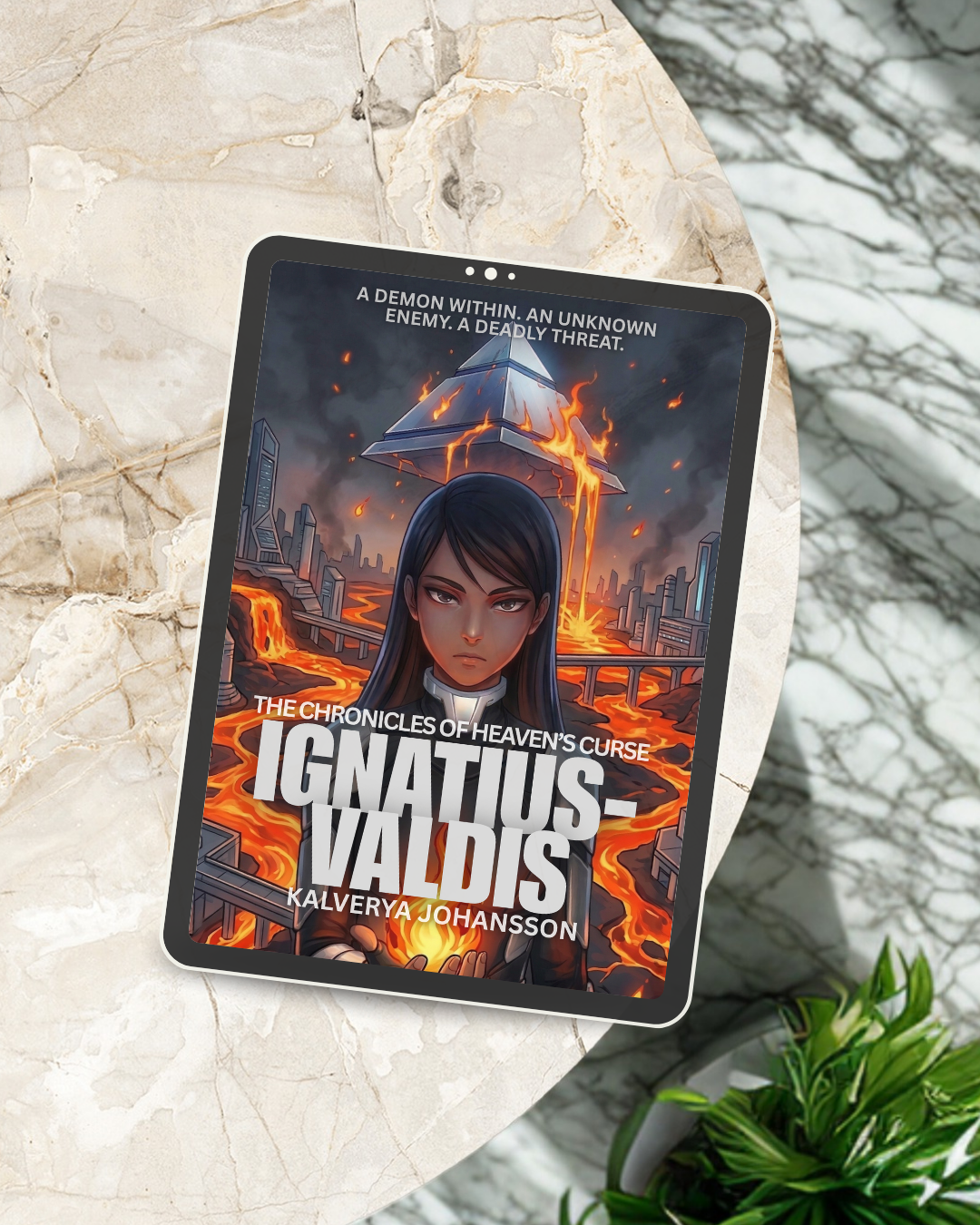
Science-Fiction in Ignatius-Valdis
Knowing how I created science fiction in Ignatius‑Valdis wasn't always easy. Often the themes and subgenres were already there, waiting to be recognised, but the challenge was to present them in a way that felt fresh and suited the audience I had in mind — to find the precise hook, the right tone, and a narrative voice that would carry readers to the last page. I had to work out which themes to weave in, build believable characters, and design science‑fiction systems that were transparent and easy to follow, so the mechanics supported the drama rather than obscured it. I didn't always get it right: sometimes the path of the story eluded me or the concepts resisted clear form. Still, I kept trying, channelling a unique take on superhumans, metahumans and the invisible wars everyone faces, aiming for a story that felt both inventive and emotionally honest.
Attracting Science-Fiction Readers to Your Indie Book
Narrowing your focus is the first step: science-fiction readers are famously particular, each sub-genre carrying its own promises and expectations — hard SF demands plausible science and consequence, space opera wants sweep and politics, cyberpunk looks for grit and systems critique — and an indie novel that tries to be everything risks pleasing no one. Identify the sub-genre and lean into its core tropes thoughtfully; signalling matters: don’t hide behind the broad label “science fiction,” but use blurbs, categories and copy to tell readers whether they’ll find a near‑future surveillance dystopia, a rigorously scientific first‑contact, or a melancholic solarpunk about repair and ecosystems. Clear signalling reduces discovery friction on algorithmed platforms and places your book where niche fans already search. Write trope‑aware fiction that still surprises — respect the conventions readers rely on, then reward their genre literacy with a distinctive twist: an unexpected ethical dilemma, a novel technological limitation, or a protagonist’s reframing of the familiar — because consistent delivery plus smart subversion builds trust and word‑of‑mouth in communities that prize consistency.
Creating a Story that Engages in Science-Fiction
Creating engaging sci‑fi starts with a solid grounding in plausible science—readers expect technologies that feel attainable, logical social consequences of advances, and internal consistency to sustain suspension of disbelief—so authors earn trust by researching physics, biology, engineering or space travel and then stretching those facts thoughtfully, allowing the extraordinary to grow naturally from the ordinary; equally essential is character as the engine that carries speculative ideas into emotional territory, since even tales of warp drives or sentient AI succeed when protagonists with clear motivations, ethical dilemmas and vulnerabilities intersect with the tech or cosmic setting, making inventions that complicate love, survival or identity meaningful rather than merely decorative and prompting the audience to invest in people as well as gadgets.
Start Today
☆
Start Today ☆
Sign up to blog
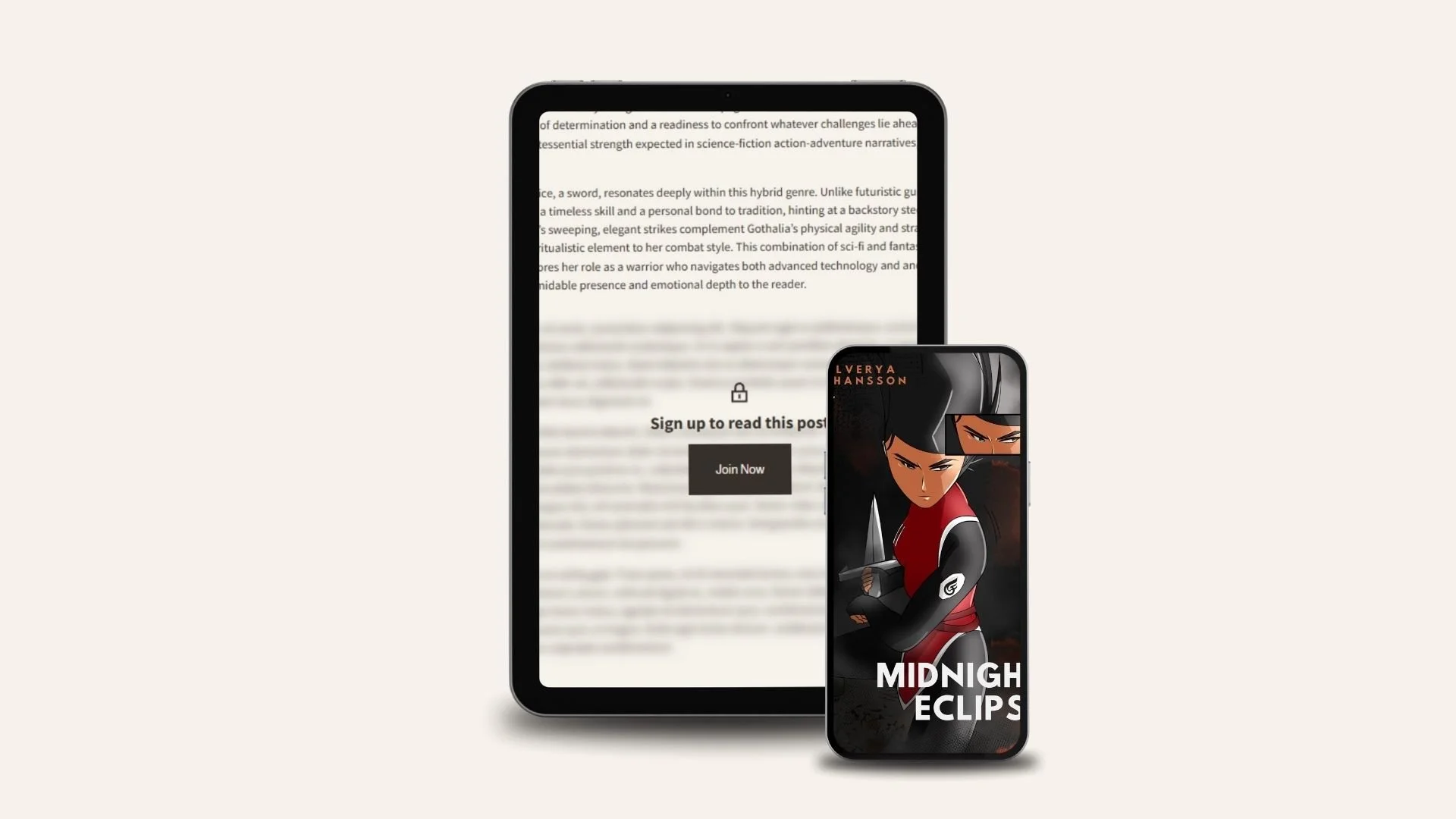
Get anytime access to my growing collection of blogs, art and concepts, behind-the-scenes content, writer's creation and exclusive content. New items added month.