Creating a Story that Engages in Science-Fiction
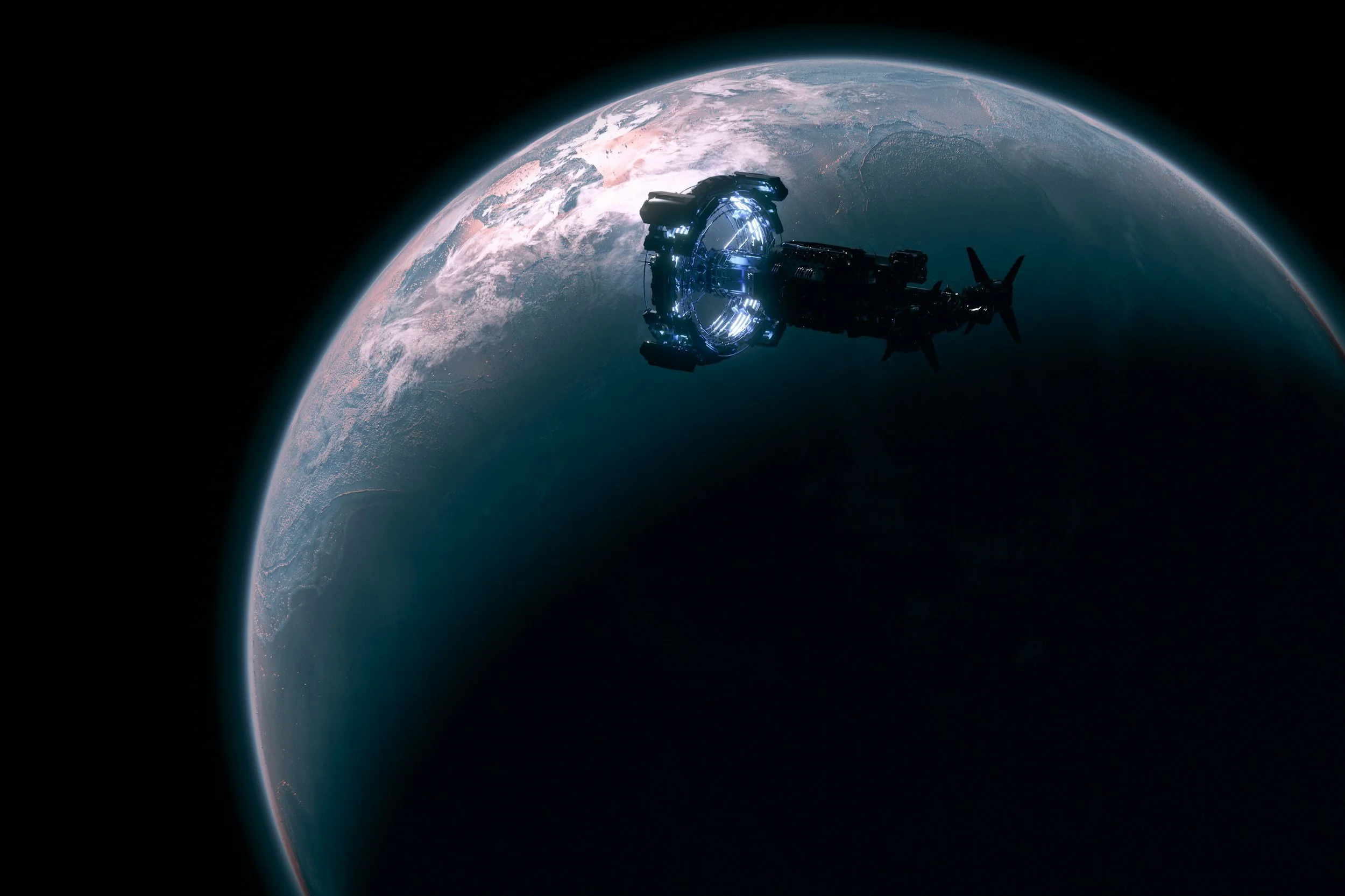
Capturing an Audience.
Creating a story that engages in sci‑fi begins with a firm grounding in plausible science. Readers of the genre arrive with expectations: technologies that feel attainable, social consequences that follow logically from scientific advances, and internal consistency that sustains suspension of disbelief. Authors who mesh scientific realities with imaginative speculation earn trust by doing the homework—researching physics, biology, engineering or space travel—and then stretching those facts thoughtfully. This blend lets the reader accept the extraordinary because it grows naturally from the ordinary.
Character is the engine that carries speculative ideas into emotional territory. Even when a story revolves around warp drives or sentient AI, what keeps readers turning pages is how those elements affect protagonists and their relationships. Give characters clear motivations, ethical dilemmas and vulnerabilities that intersect with the tech or cosmic setting. When an invention complicates love, survival or identity, the scientific premise becomes meaningful rather than merely decorative, and the audience invests not just in gadgets but in people.
Plot pacing in science‑fiction should respect both wonder and explanation. Revelations of new tech or alien cultures must be timed so the reader absorbs wonder without being overwhelmed by exposition. Use short bursts of explanation embedded in action, or let characters discover concepts gradually through problem‑solving and consequences. The best sci‑fi balances spectacle with momentum: scenes that astonish paired with escalating stakes that keep the narrative moving toward satisfying outcomes.
Worldbuilding is more than a catalogue of devices; it is the architecture of plausibility and consequence. Map how technology, politics, economy and environment interplay in your imagined future. Small details—how people queue for oxygen credits, or how a colony celebrates a rare rainfall—create texture that makes a world feel lived‑in. Consistency matters: rules you set for your universe should influence daily life, social hierarchies and the plot’s possible solutions, otherwise the world risks feeling like a backdrop rather than an actor.
Themes give science‑fiction its lasting resonance. Whether probing colonialism through space exploration, asking what personhood means in a society with mind‑uploading, or examining resource scarcity on a terraformed planet, themes anchor spectacle to idea. Choose a central question and let the speculative elements illuminate it from multiple angles. When theme and premise align, the story invites readers to reflect beyond the page, which is a hallmark of memorable sci‑fi.
Voice and tone shape the reader’s journey through unfamiliar premises. A measured, clear narrative voice helps explain complex ideas without condescension; a wry, ironic tone can highlight absurdities in future societies; an intimate, character‑first voice draws readers into personal stakes amid global change. Match the narrative voice to the scale of your story: epic, world‑spanning plots often benefit from a broader vantage, while intimate moral dramas thrive in close, nuanced narration.
Conflict should arise naturally from the interplay of human agendas and technological possibilities. Instead of inventing antagonists solely to oppose your hero, let friction emerge from competing uses of technology, resource limitations, cultural misunderstandings, or unintended side effects of scientific progress. This approach yields more believable stakes and richer moral complexity, making readers care about outcomes not because an enemy exists, but because consequences matter.
Finally, embrace the “what if” spirit that defines the genre while remaining willing to surprise both reader and yourself. Subvert predictable trajectories by letting scientific constraints limit easy solutions, or by allowing characters’ flawed choices to drive unexpected outcomes. Craft endings that respect the logic of your world—whether hopeful, ambiguous or tragic—so that the reader’s emotional journey feels earned. When science and imagination are welded with craft, the result is a story that captures attention and lingers in the mind long after the last page.
Creating a Story that Engages in Science-Fiction
Creating a story that engages in science fiction begins with a compelling premise that asks “what if?” This question should introduce a change to the known world—advanced technology, alien contact, altered society—and promise stakes that matter to the characters. The premise needs to be clear enough to hook the reader immediately but open-ended enough to allow mystery and discovery. Avoid overloading the opening with technobabble; instead, foreground human curiosity or conflict that the speculative element amplifies.
Worldbuilding is crucial but must serve the story rather than dominate it. Build rules for your world—science, culture, politics—and reveal them gradually through action and dialogue. Let readers infer aspects of the setting from how characters live, talk and solve problems. Sensory details and small cultural touches (a slang term, a ritual, a piece of architecture) create verisimilitude without lengthy exposition. Consistency in the world’s logic will maintain suspension of disbelief.
Characters in science fiction should feel real and flawed, their motivations understandable even when their choices are shaped by futuristic contexts. Give them desires, fears, and relationships that anchor the speculative elements in emotion. The best sci-fi uses its concept to test human values: how does a character respond to immortality, pervasive surveillance, or first contact? Ensure each character’s arc interacts meaningfully with the speculative premise so the plot grows from personal stakes as well as external ones.
Plot pacing should balance discovery with consequence. Science fiction often involves mysteries—technological puzzles, political conspiracies, or cosmic enigmas—that reward reader curiosity. Structure scenes so that revelations follow plausible deductions or accidental experiments, and escalate tension by tightening time pressures, moral dilemmas, or resource scarcity. Avoid relying on deus ex machina fixes; make the resolution feel earned by leveraging the world’s established rules.
Themes give a science-fiction story its long-term resonance. Decide early what big ideas you want to explore—identity and consciousness, ecological collapse, inequality, or the ethics of creation—and let those themes inform character decisions and plot beats. Subtlety matters: embed themes in conflicts and metaphors rather than preaching. A well-chosen scientific concept can act as a lens for contemporary concerns, allowing readers to reflect on present-day issues from a fresh vantage point.
Finally, tone and style should match the story’s core. Hard SF benefits from precision and restrained prose, while space-opera or near-future narratives can embrace lyrical or humorous voices as fits the material. Keep dialogue natural and purposeful, and use recurring imagery to tie scenes together. Revise with an eye to trimming unnecessary exposition and sharpening scenes that reveal both plot and character. When premise, worldbuilding, character, plot, theme and style align, you create science fiction that engages on both intellectual and emotional levels.
Knowing how to Engage in Science-Fiction matters.
Knowing how to engage in science fiction matters because the genre is inherently diverse; some stories hinge on rigorous scientific extrapolation while others prioritise imaginative worldbuilding and metaphor. Readers come with varying expectations — hard sf fans seek plausible technology and consistent internal logic, while those drawn to soft sf or space opera may value character, mystery and sweeping ideas more than technical accuracy. Recognising which end of the spectrum a story occupies helps readers calibrate their suspension of disbelief and appreciate the author’s intent rather than demanding uniform realism.
Context within a science-fiction story can differ dramatically depending on the themes the writer pursues. A narrative exploring ethical questions around artificial intelligence will foreground consciousness, rights and moral ambiguity, shaping worldbuilding and character choices accordingly. Conversely, a tale focused on colonisation or resource scarcity may prioritise political structures, economics and survival mechanics, using SF elements to illuminate human behaviour under pressure. Understanding the thematic core lets readers see how speculative elements function as tools rather than mere set dressing.
Motifs are another guide to engagement; recurring images, symbols and narrative patterns signal the deeper currents the author is exploring. For instance, motifs of decay and entropy may indicate a meditation on civilisation’s fragility, while mirrors and doubles might point to identity and selfhood concerns. Noting these motifs helps readers connect seemingly disparate plot points and technological devices to the story’s emotional and philosophical backbone. Awareness of such motifs enriches interpretation and prevents misreading science-fiction tropes as incoherent or gratuitous.
Tropes are double-edged for engagement: familiar patterns can provide comfort and shorthand, but they also invite critique when deployed lazily. Recognising common SF tropes — the rogue AI, the time-travel paradox, the post-apocalyptic wasteland — enables readers to spot whether an author is subverting, reaffirming or merely recycling conventions. Skilled writers often use tropes as a foundation to twist expectations, and readers attuned to those manipulations will catch nuances that casual readers might miss, deepening their appreciation of craft.
Active engagement also means paying attention to internal consistency rather than external realism. Even when a story introduces fantastical technologies or speculative physics, it must establish and honour its own rules to remain persuasive. Readers who notice when a narrative violates its established logic can distinguish between purposeful anomalies (used for thematic effect) and careless plotting. This discipline allows enjoyment of wildly imaginative settings while maintaining critical appreciation for narrative coherence and authorial control.
Finally, engaging well with science fiction requires openness to the genre’s capacity for metaphor and social critique. Many SF stories use imagined futures, alien encounters or altered realities to reflect contemporary anxieties and hopes. Approaching a story with curiosity about what its speculative elements signify — rather than treating them only as gadgets or spectacles — unlocks layered meanings. Whether a tale adheres closely to scientific plausibility or soars into the fantastical, discerning readers who attend to theme, motif and trope will find richer rewards.
How to make a Story Worth Reading
Creating a story worth reading begins with a clear idea of why the story matters. Start by identifying the central question or theme you want the reader to care about—whether it’s the cost of ambition, the resilience of love, or the small injustices that shape a life. When your narrative is driven by a meaningful core, every scene can serve that purpose. This focus helps you decide what to include and what to leave out, sharpening the narrative so it feels intentional rather than aimless.
Compelling characters are the engine of any memorable story. Readers invest when they recognise parts of themselves or encounter vividly realised people who react unpredictably yet believably. Give your characters desires, contradictions and stakes that escalate. Let them make choices that reveal who they are, and don’t shy away from moral ambiguity—flawed characters who grow or break under pressure are far more interesting than perfect ones preserved by convenience.
Plot matters, but it’s the tension and pacing that make it sing. Structure your scenes to build curiosity: introduce a problem early, raise complications, and limit easy answers. Use beats of quieter reflection to let the emotional weight settle between moments of action. Varying sentence length and scene tempo helps maintain momentum; steady rises and sudden pulls keep readers turning pages because they anticipate payoff.
Details and voice give your story its unique fingerprint. Choose specific, sensory details that anchor setting and mood without overwhelming the reader. Your narrative voice—how you tell the story—is as important as what happens. A distinct voice can transform ordinary events into fresh experiences, whether through dry humour, lyrical introspection, or clipped reportage. Consistency in tone helps readers trust the world you’ve built, even when the plot surprises them.
Conflict must feel consequential and realistic. Stakes should be clear: what does the protagonist stand to gain or lose, and why does it matter now? Conflict is not only external—internal struggles, conflicting loyalties and the weight of past choices deepen engagement. Avoid resolving major tensions too easily; satisfying endings generally earn their warmth through believable struggle rather than sudden convenience.
Finally, revision is where a good story becomes worth reading. First drafts reveal possibilities; subsequent drafts refine voice, tighten structure and eliminate redundancies. Seek feedback from readers you trust, and be willing to cut scenes you love if they don’t serve the story’s spine. Polish language, check pacing, and ensure every scene advances character, theme or plot. The labor of revision turns intention into craft, and craft is what ultimately makes a story linger.
Like post and want to tip?
If you enjoyed this post and would like to see more, please let the author know in the comments below — your feedback helps shape future topics and keeps the conversation alive. If you’d like to support the creation of more free, no-signup-needed blogs, consider leaving a tip today; even a small contribution makes a big difference and encourages continued writing and sharing. Your support ensures these accessible articles and blogs stay free for everyone and inspires the author (K Johnson) to keep producing thoughtful, independent content.
