The Blog
The Blog
Kalverya Johansson’s blog offers a focused exploration of science fiction novels and comic book art, blending insightful analysis with passionate storytelling. Designed for enthusiasts and casual readers alike, it provides engaging content that highlights the creativity and innovation within these genres.
“Your story immediately stood out to me with its vivid imagery and emotional depth. Every scene felt alive, almost cinematic, and your world-building was beautifully crafted.”
— Reader Review, Elsa

Self-Publishing, Business Growth and Financing Guidance
Self-publishing, business growth and financing guidance converge at the practical centre of turning creative work into a sustainable enterprise. For authors, podcasters and creators, self-publishing gives direct control over content, rights and distribution — enabling faster time-to-market, flexible pricing and closer engagement with audiences. Launching a title is only the beginning; scaling a creative project into dependable income demands deliberate business planning, targeted marketing and robust operational systems.
Attracting Science-Fiction Readers to Your Indie Book
Narrowing your focus is the first step: science-fiction readers are famously particular, each sub-genre carrying its own promises and expectations — hard SF demands plausible science and consequence, space opera wants sweep and politics, cyberpunk looks for grit and systems critique — and an indie novel that tries to be everything risks pleasing no one. Identify the sub-genre and lean into its core tropes thoughtfully; signalling matters: don’t hide behind the broad label “science fiction,” but use blurbs, categories and copy to tell readers whether they’ll find a near‑future surveillance dystopia, a rigorously scientific first‑contact, or a melancholic solarpunk about repair and ecosystems. Clear signalling reduces discovery friction on algorithmed platforms and places your book where niche fans already search. Write trope‑aware fiction that still surprises — respect the conventions readers rely on, then reward their genre literacy with a distinctive twist: an unexpected ethical dilemma, a novel technological limitation, or a protagonist’s reframing of the familiar — because consistent delivery plus smart subversion builds trust and word‑of‑mouth in communities that prize consistency.

Creating a Story that Engages in Science-Fiction
Creating engaging sci‑fi starts with a solid grounding in plausible science—readers expect technologies that feel attainable, logical social consequences of advances, and internal consistency to sustain suspension of disbelief—so authors earn trust by researching physics, biology, engineering or space travel and then stretching those facts thoughtfully, allowing the extraordinary to grow naturally from the ordinary; equally essential is character as the engine that carries speculative ideas into emotional territory, since even tales of warp drives or sentient AI succeed when protagonists with clear motivations, ethical dilemmas and vulnerabilities intersect with the tech or cosmic setting, making inventions that complicate love, survival or identity meaningful rather than merely decorative and prompting the audience to invest in people as well as gadgets.

How Readers are Drawn in by a Story
A compelling story first seizes readers through curiosity. An intriguing opening — whether a striking image, a puzzling line of dialogue, or an unexpected situation — triggers questions in the reader’s mind. Those questions act like hooks; we keep turning pages to discover the answers. Skilled writers deliberately seed mysteries or contrasts early, giving readers a reason to stay invested while promising payoffs later.
Character connection is the engine that carries the reader forward. When characters feel real, flawed and wanting, we care about what happens to them. Empathy develops through details: a small habit, an inner thought, a believable reaction. Readers don’t need to resemble the protagonist; they need access to the person’s stakes and emotions. This emotional tether transforms plot points into matters of personal concern.
Pacing and structure shape the reader’s journey. Alternating tension and relief — tight scenes followed by quieter moments — mirrors how we process information and emotion.

In the Light of the Protagonist: Gothalia
Many stories that centre the protagonist as the luminous axis of the narrative reveal how character development and plot revelation are inseparable. When the protagonist is the perceived "light" of the story, their inner life—ambitions, fears, contradictions—casts shadows and highlights across every scene. This central focus does not flatten the fictional world; instead, it sharpens the reader’s attention on how events refract through one person’s moral and emotional lens, so that even minor incidents become charged with meaning.
Start Today
☆
Start Today ☆
Sign up to blog
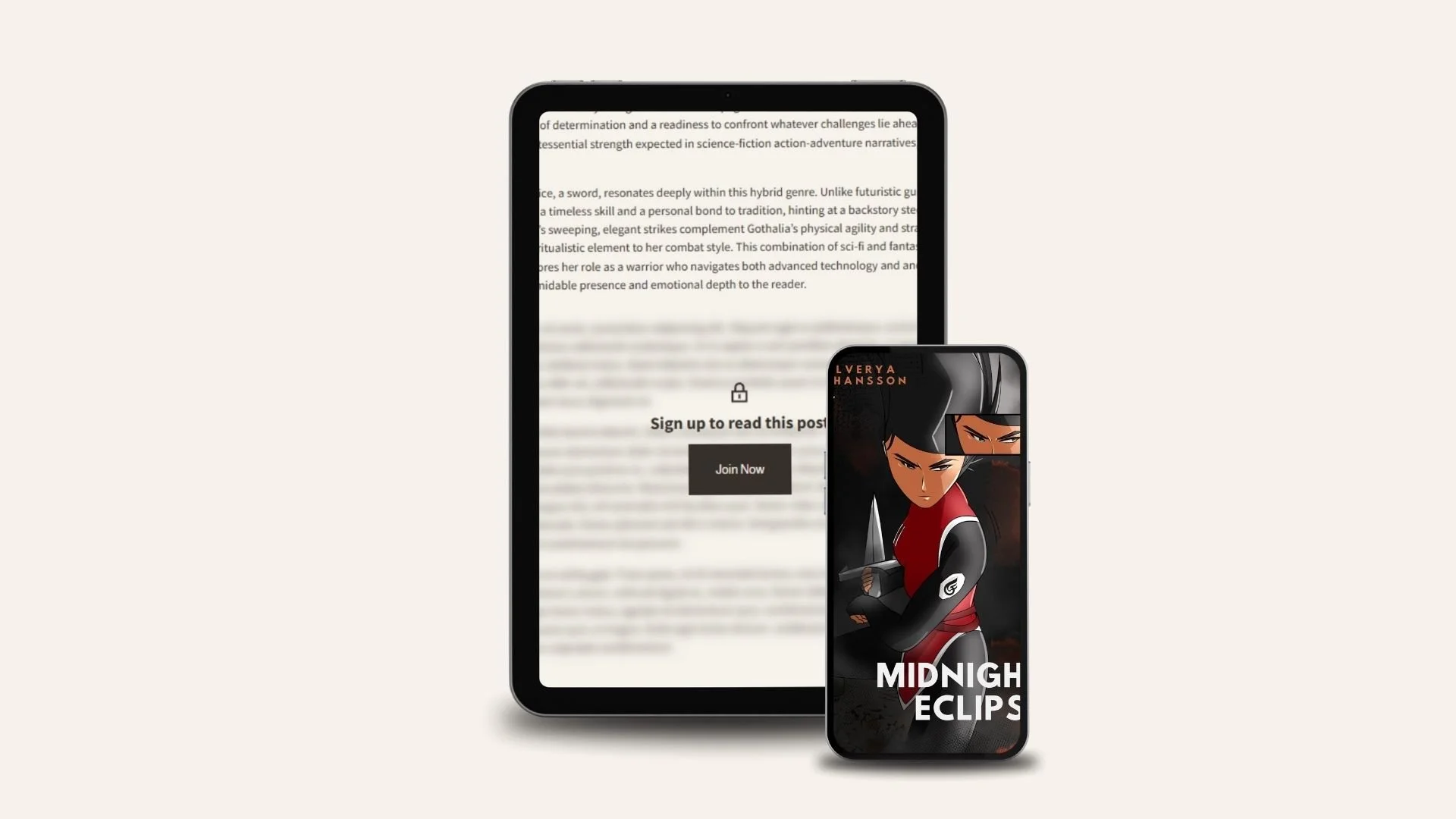
Get anytime access to my growing collection of blogs, art and concepts, behind-the-scenes content, writer's creation and exclusive content. New items added month.