The Blog
The Blog
Kalverya Johansson’s blog offers a focused exploration of science fiction novels and comic book art, blending insightful analysis with passionate storytelling. Designed for enthusiasts and casual readers alike, it provides engaging content that highlights the creativity and innovation within these genres.
“Your story immediately stood out to me with its vivid imagery and emotional depth. Every scene felt alive, almost cinematic, and your world-building was beautifully crafted.”
— Reader Review, Elsa

Direct Sales Conversion Rates: How to Optimize Your Ebook Storefront
Direct sales conversion rates for an ebook storefront hinge on clarity, trust and frictionless purchase paths: optimise product pages with concise, benefit-led descriptions and compelling cover images; display immediate social proof such as reader reviews and ratings; simplify the checkout to minimise steps, pre-fill fields where possible and offer multiple secure payment options; A/B test pricing, call-to-action copy and promotional banners to learn what drives clicks to purchases; use targeted landing pages and email follow-ups for abandoned carts; ensure fast page load and mobile responsiveness; and track micro-conversions (preview clicks, add-to-cart, time on page) with analytics to prioritise changes that raise the overall conversion rate.

How Book Content is Marketable
Want your book to sell, not just sit pretty on a shelf? Successful books are products first — they need clear value, a defined audience and smart presentation.
Hook: start with a concept that fixes a problem, answers a burning question or delivers the emotional payoff readers are hunting for.
Audience: know your reader’s age, interests, pain points and reading habits so you can match voice, pacing and packaging to demand.
Positioning: turn your manuscript into a standout offering with a memorable title, a punchy blurb, genre-smart design and a consistent author brand that cuts through the noise.
Formats & distribution: widen reach with trade paperback, ebook, audiobook and short-form or serialized spin-offs to capture different reading habits and revenue streams.
Sales kit: use cover design, sample chapters, back-copy, author bio and optimised metadata as your marketing toolkit for search, retail algorithms and social shares.
Early momentum: validate with beta readers, preorders, reviews and influencer endorsements to build credibility fast.
Longevity: extend shelf life with partnerships and ancillaries — workbooks, courses, speaking and cross-promotion.
Write with readers in mind, package with purpose and promote strategically — that’s how content becomes a marketable, sellable book.
Writing @getinkspired
I hadn’t always intended to write online. For years my goal was simply to write stories — many stories — and publish them as books. I began by uploading my work to Smashwords, where I gained a handful of readers, but I soon realised not everyone wanted to buy an ebook. So I adapted my approach, making my books more accessible and appealing to a wider audience by offering different ways to enjoy them — though not as audiobooks, at least for now
I hadn’t always intended to write online. For years my goal was simply to write stories — many stories — and publish them as books. I began by uploading my work to Smashwords, where I gained a handful of readers, but I soon realised not everyone wanted to buy an ebook. So I adapted my approach, making my books more accessible and appealing to a wider audience by offering different ways to enjoy them — though not as audiobooks, at least for now.

How Writers Write their Science-Fiction Stories
Science-fiction writers typically start with a single question — what if this technology emerged, or a particular social change took hold? That question becomes the story’s anchor, shaping worldbuilding, character motivations and the plot’s trajectory. From one speculative premise, authors trace the ripple effects: shifts in politics, cultural responses, ethical conflicts and the everyday consequences for ordinary people. This careful logical probing keeps the fiction grounded, ensuring speculative elements drive the narrative rather than merely ornament it.
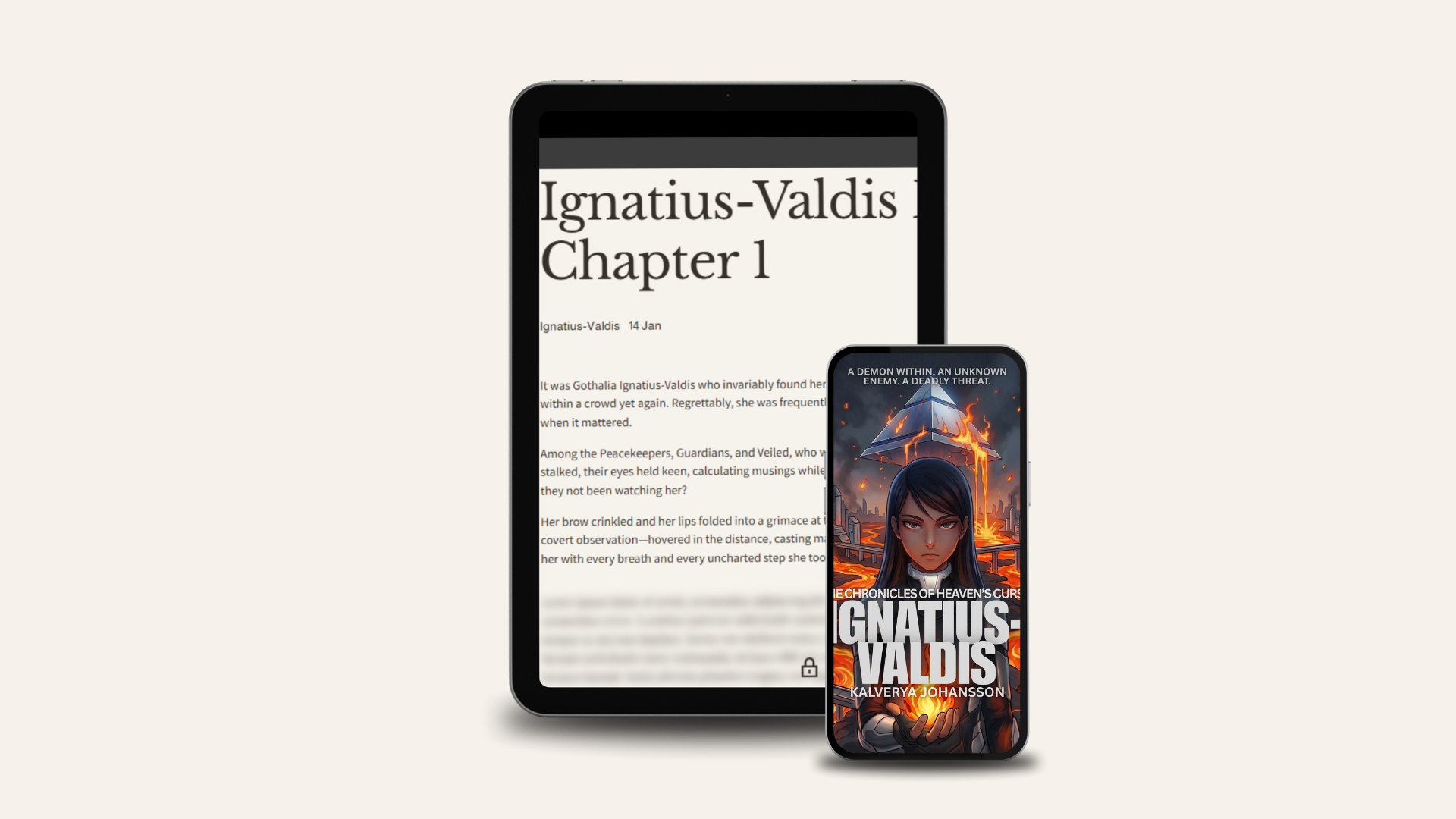
How I Captured the World of Ignatius-Valdis
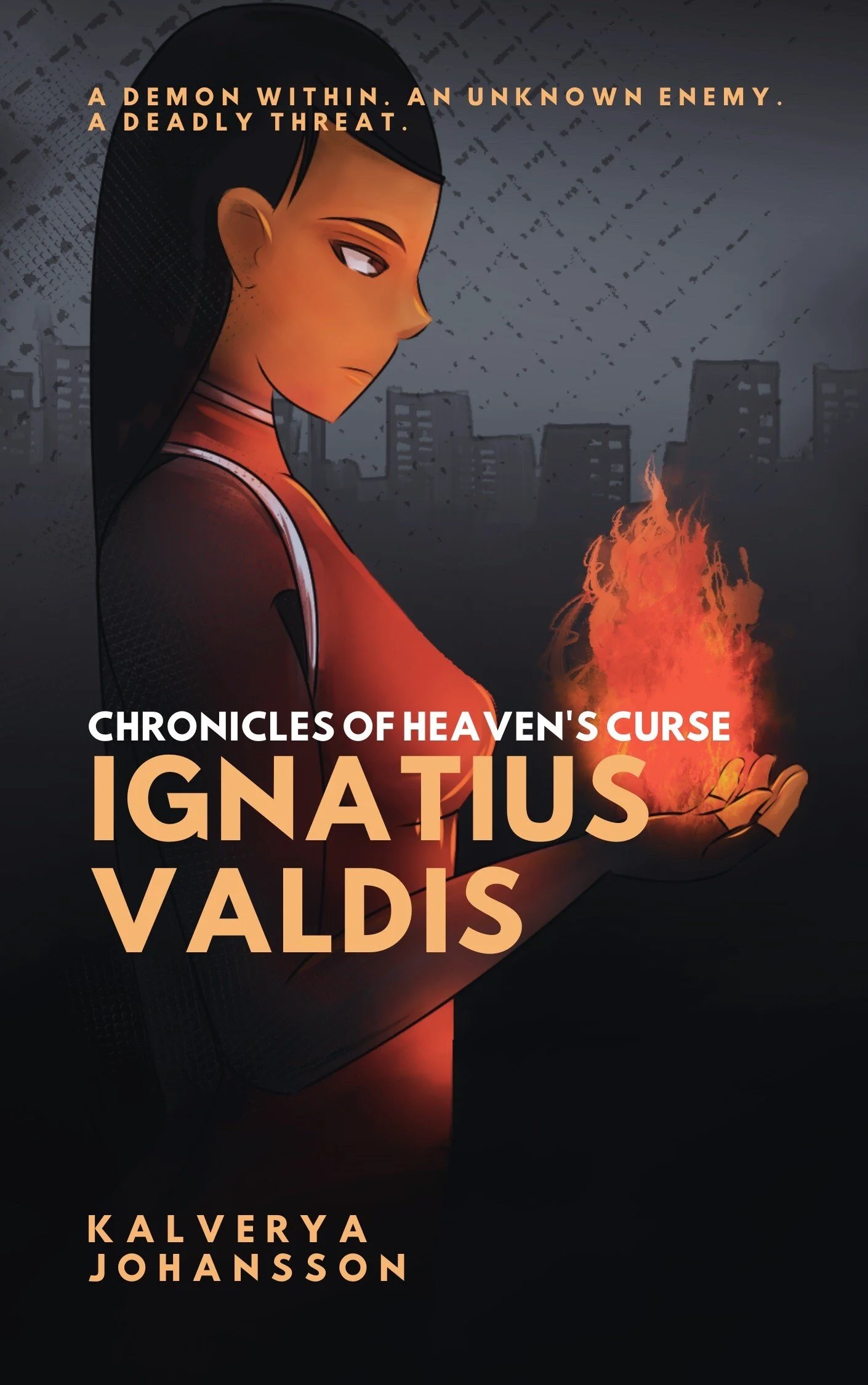
When I set out to write Ignatius‑Valdis, my aim was simple: build a world that feels lived in, intense in action, and intimate enough for readers to lose themselves inside the simulation. This tale speaks to a science‑fiction audience hungry for momentum—explosions, desperate gambits, and the clatter of boot‑heels on alloy decks—while also rewarding readers who want systems, lineage, and society to matter as much as the firefights. To achieve that balance I concentrated on three interlocked efforts: the mechanics of power, the texture of civilisation, and the emotional weight of conflict. Central to the world are the Excelian Centurions of the Fire Reserve—soldiers honed to operate within a hostile simulation where a ravenous virus corrodes code and corpses alike. The Excelians are not a monolith; their competency springs from distinct bloodlines, each with its own energetic logic and cultural identity: Angelus lines channel lighter elements—luminosity, order, subtle radiances that can slice through chaos and stabilise collapsing systems—while Deamone lines favour heavy elements—density, gravity, crushing force that reshapes terrain and shatters shields—and Neutralus lines temper extremes, blending or nullifying forces to harmonise or disrupt.
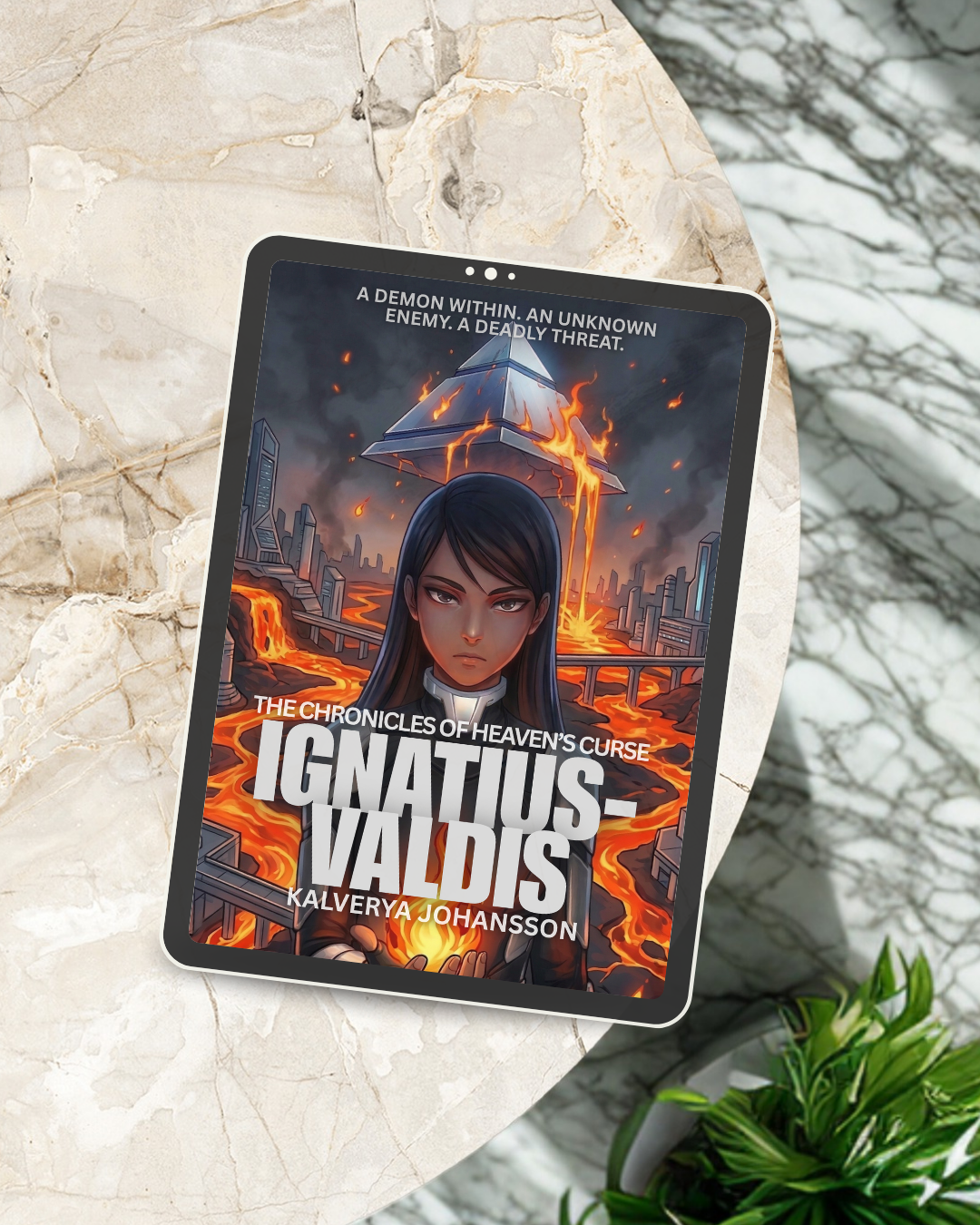
Science-Fiction in Ignatius-Valdis
Knowing how I created science fiction in Ignatius‑Valdis wasn't always easy. Often the themes and subgenres were already there, waiting to be recognised, but the challenge was to present them in a way that felt fresh and suited the audience I had in mind — to find the precise hook, the right tone, and a narrative voice that would carry readers to the last page. I had to work out which themes to weave in, build believable characters, and design science‑fiction systems that were transparent and easy to follow, so the mechanics supported the drama rather than obscured it. I didn't always get it right: sometimes the path of the story eluded me or the concepts resisted clear form. Still, I kept trying, channelling a unique take on superhumans, metahumans and the invisible wars everyone faces, aiming for a story that felt both inventive and emotionally honest.

Creating a Story that Engages in Science-Fiction
Creating engaging sci‑fi starts with a solid grounding in plausible science—readers expect technologies that feel attainable, logical social consequences of advances, and internal consistency to sustain suspension of disbelief—so authors earn trust by researching physics, biology, engineering or space travel and then stretching those facts thoughtfully, allowing the extraordinary to grow naturally from the ordinary; equally essential is character as the engine that carries speculative ideas into emotional territory, since even tales of warp drives or sentient AI succeed when protagonists with clear motivations, ethical dilemmas and vulnerabilities intersect with the tech or cosmic setting, making inventions that complicate love, survival or identity meaningful rather than merely decorative and prompting the audience to invest in people as well as gadgets.
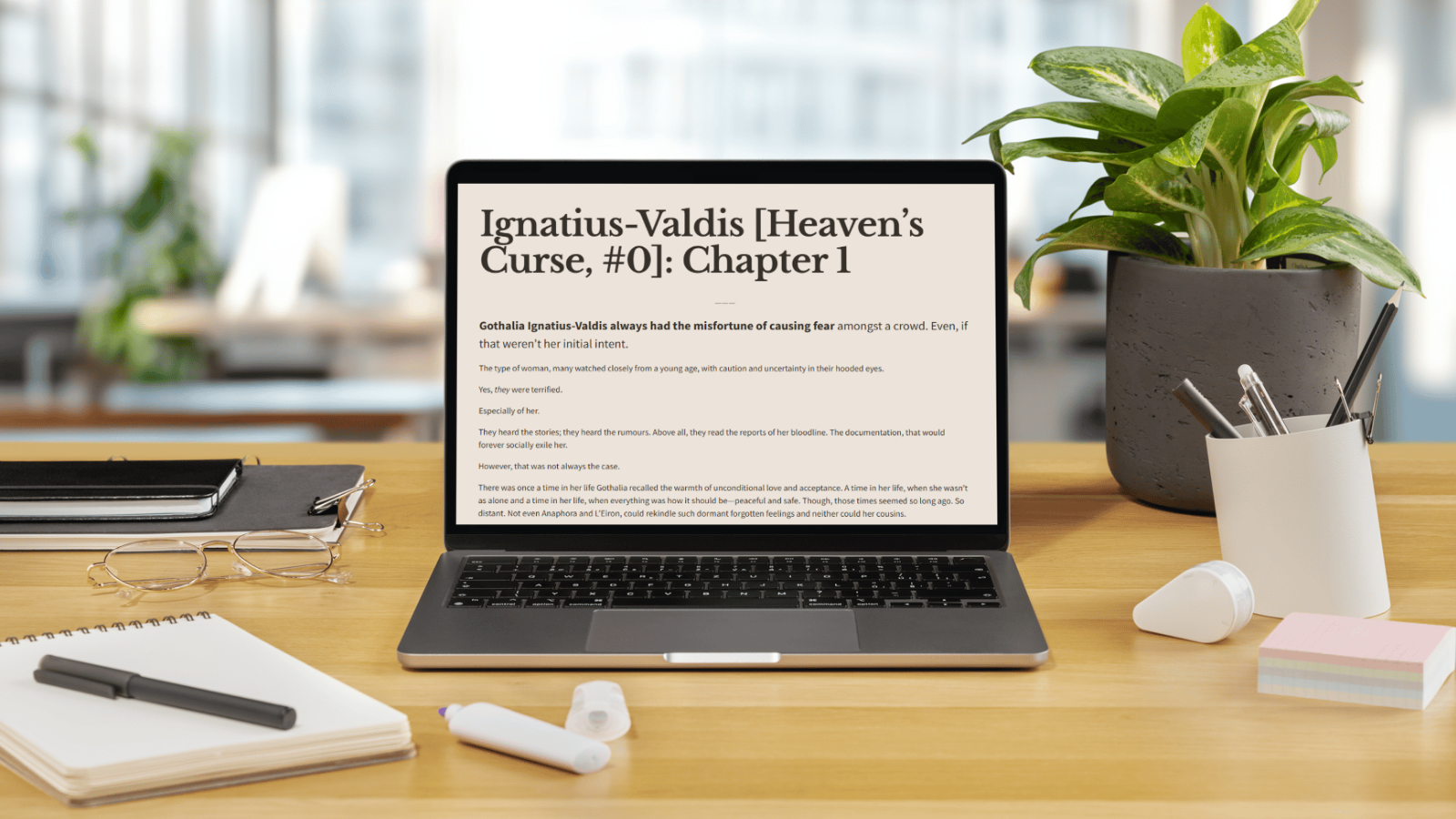
Ignatius-Valdis as a Web-Book?
Writing the book Ignatius-Valdis as a web-book is easier for it’s convenient access and use for frequent updates as the book is online as opposed to the eBooks that only need to be released and updated once. The web-book is a book on the web that makes it easier for the audience to read.
Writing Ignatius-Valdis as a web-book prioritises convenience for both author and reader. Unlike traditional eBooks, which often require a formal release cycle and file redistribution for each revision, a web-book can be updated continuously. This immediacy means corrections, clarifications and new chapters can appear as soon as they are ready, ensuring the text remains current without readers needing to download new files or buy new editions.
The Bonus Content inside the Web-Books
Inside the Web-Books offers exclusive bonus, unread, and extended content that expands the worlds of Ignatius-Vadis, Fragmented Deamone, Midnight Eclipse, and more, showing prior readings were partial. Usable alone, this material is essential—clarifying motivations, subtle interactions, and hinted moments so plot beats land with fuller context. It deepens character development—secondary figures gain voice through intimate vignettes and unseen exchanges revealing private thoughts, formative events, and choices—turning cameos into fully realized presences. Extended scenes reveal parallel or intersecting arcs—missteps, small victories, and consequences—that make growth, trauma, and reconciliation feel earned, while also probing themes and enriching understanding of relationships, stakes, and the worlds themselves.

Noel-Len in Action?
Noel-Len Ignatius moves through the burned remains of a small town like any human soldier—flawed but determined. In Midnight Eclipse: Extended Edition, he relies on grit and cleverness, not superpowers or alien tech.
Through Noel-Len’s eyes, Midnight Eclipse: Extended Edition becomes a study of courage within constraint. His victories are tactical and intimate. His losses are equally human: inadequate resources, miscommunication, the weight of not knowing whether an action will close a wound or open a new danger. The narrative treats the Human condition with quiet respect: not heroic invulnerability, but stubborn ingenuity and moral complexity.
Noel-Len’s story connects worlds. Highlighting humanity’s adaptability, empathy, and quick thinking, using flaws to shape strategy and survival. Confronting alien threats and the Xzandian mystery, he survives via small, decisive acts that prove human limits can be strengths, guiding choices and alliances in an unfamiliar situation.

Gothalia in Action?
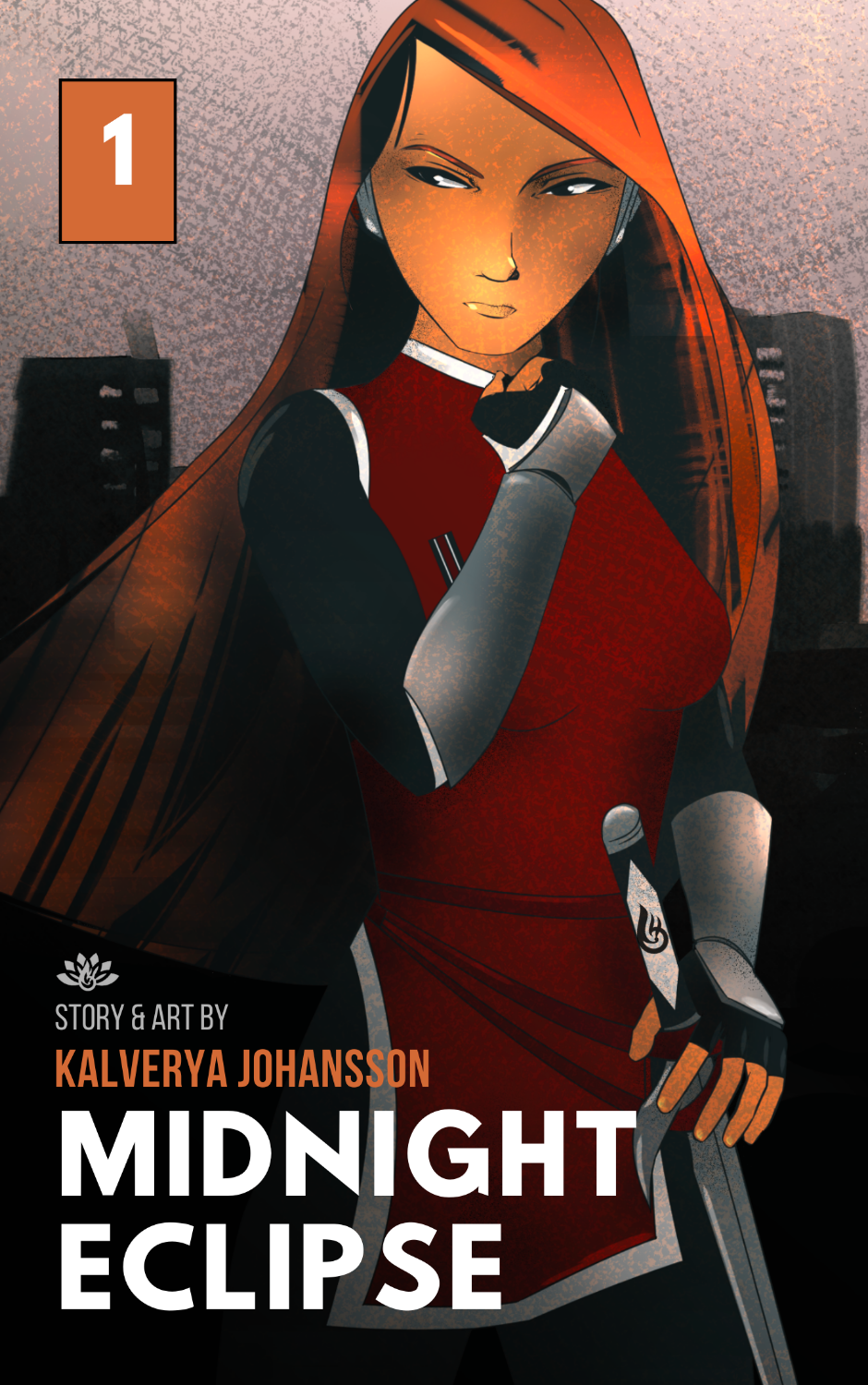
Gothalia Ignatius-Valdis emerges powerfully across the page, her figure dynamic and fluid in motion, capturing the reader’s attention immediately. Her gaze is cast off the page—not focused inward, but fixed on an unseen horizon—suggesting a sense of determination and a readiness to confront whatever challenges lie ahead. This portrayal embodies the quintessential strength expected in science-fiction action-adventure narratives, blending grit with an otherworldly aura.
Her weapon of choice, a sword, resonates deeply within this hybrid genre. Unlike futuristic guns or energy blasters, the sword signifies a timeless skill and a personal bond to tradition, hinting at a backstory steeped in culture and honour. The sword’s sweeping, elegant strikes complement Gothalia’s physical agility and strategic mind, adding a tactile and almost ritualistic element to her combat style. This combination of sci-fi and fantasy elements through the sword underscores her role as a warrior who navigates both advanced technology and ancient mysticism, reinforcing her formidable presence and emotional depth to the reader.
The Chronicles of Heaven’s Curse as a Web-Comic?
The Chronicles of Heaven’s Curse comic series thrusts readers into a gripping sci-fi action adventure set across the farthest reaches of the cosmos. Follow Gothalia Ignatius-Valdis navigate treacherous alien attacks, political conspiracies, and a mysterious curse that threatens the very fabric of the universe. The series combines pulse-pounding battles, enigmatic technology, and intense character drama, making it a must-read for fans hungry for thrills and intrigue. Each issue reveals new layers of an unfolding saga where loyalty is tested, and survival depends on confronting the shadows of the Curse of Heaven bestowed to the Excelians. Reading the novel series is only the beginning.
Start Today
☆
Start Today ☆
Sign up to blog
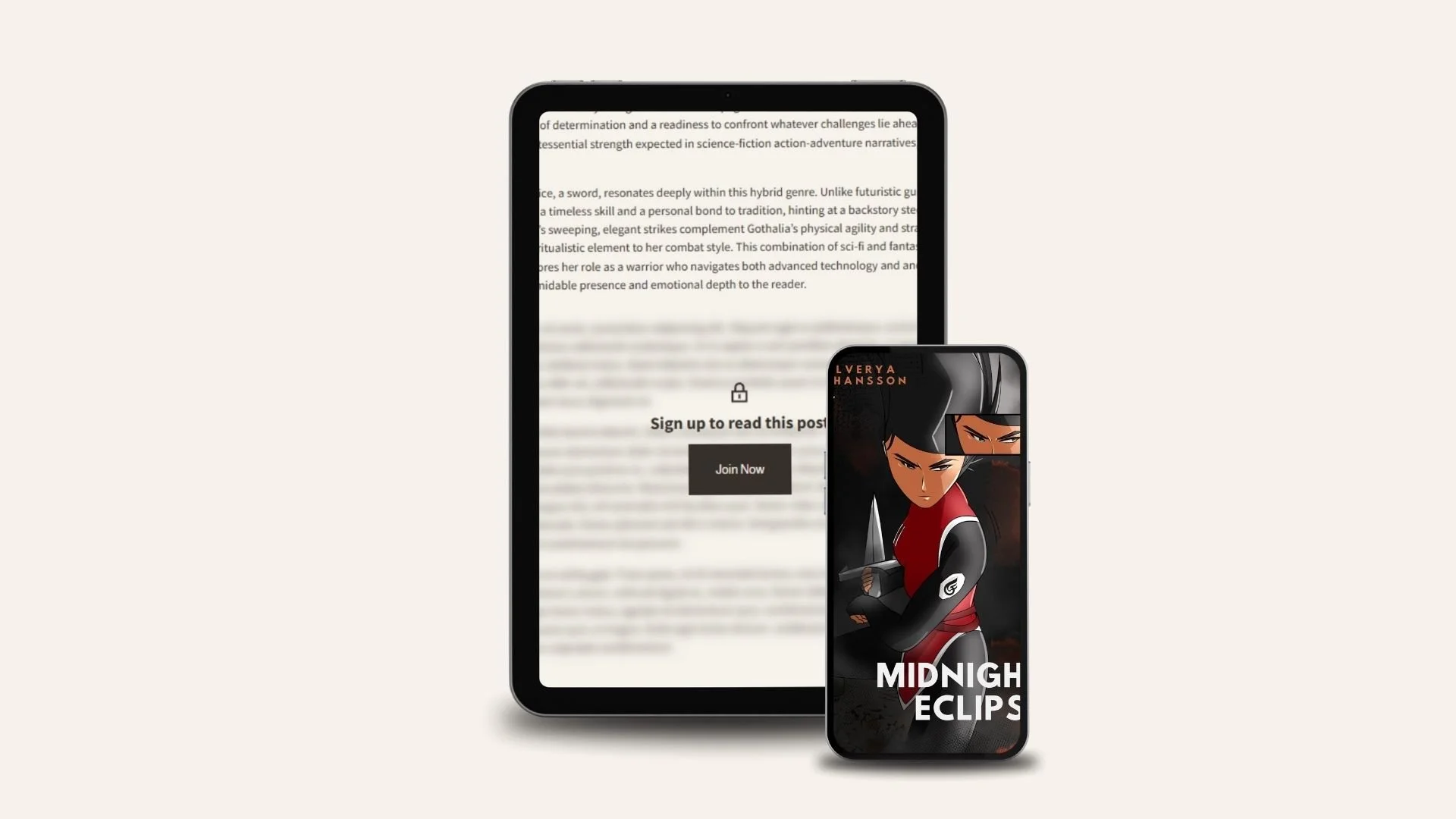
Get anytime access to my growing collection of blogs, art and concepts, behind-the-scenes content, writer's creation and exclusive content. New items added month.