The Blog
The Blog
Kalverya Johansson’s blog offers a focused exploration of science fiction novels and comic book art, blending insightful analysis with passionate storytelling. Designed for enthusiasts and casual readers alike, it provides engaging content that highlights the creativity and innovation within these genres.
“Your story immediately stood out to me with its vivid imagery and emotional depth. Every scene felt alive, almost cinematic, and your world-building was beautifully crafted.”
— Reader Review, Elsa
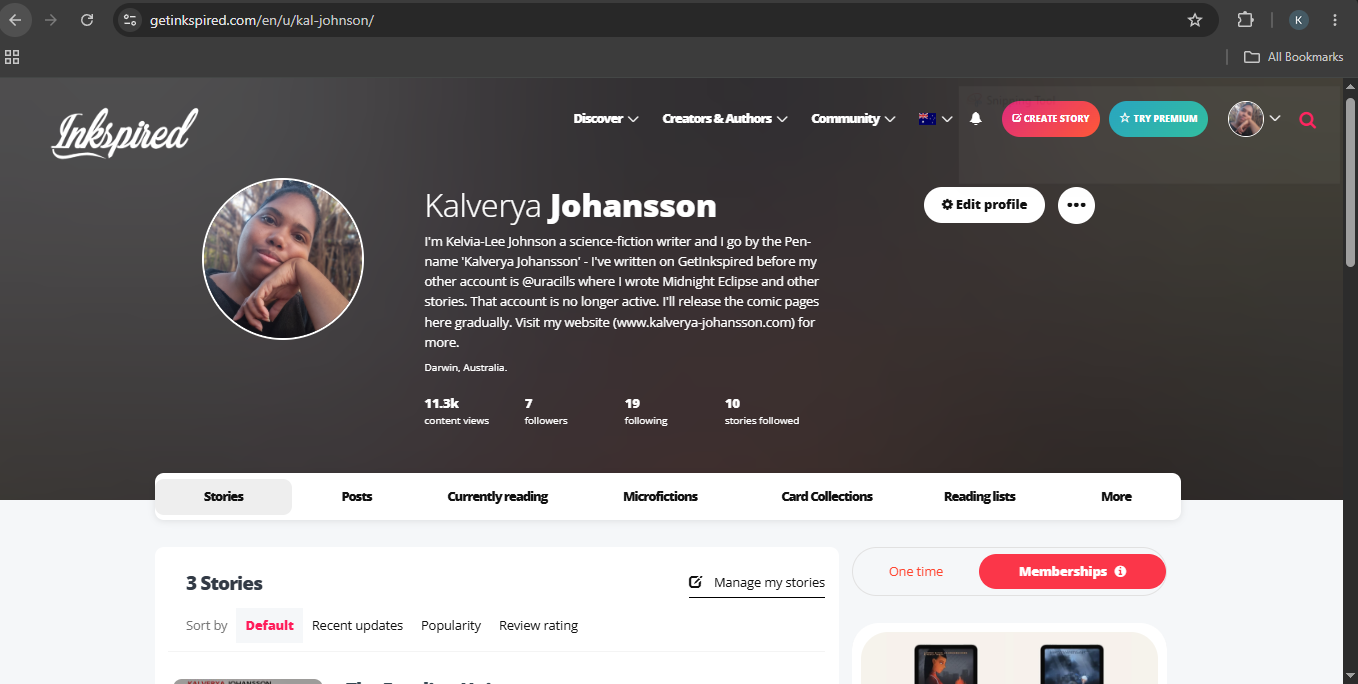
Writing @getinkspired
I hadn’t always intended to write online. For years my goal was simply to write stories — many stories — and publish them as books. I began by uploading my work to Smashwords, where I gained a handful of readers, but I soon realised not everyone wanted to buy an ebook. So I adapted my approach, making my books more accessible and appealing to a wider audience by offering different ways to enjoy them — though not as audiobooks, at least for now
I hadn’t always intended to write online. For years my goal was simply to write stories — many stories — and publish them as books. I began by uploading my work to Smashwords, where I gained a handful of readers, but I soon realised not everyone wanted to buy an ebook. So I adapted my approach, making my books more accessible and appealing to a wider audience by offering different ways to enjoy them — though not as audiobooks, at least for now.
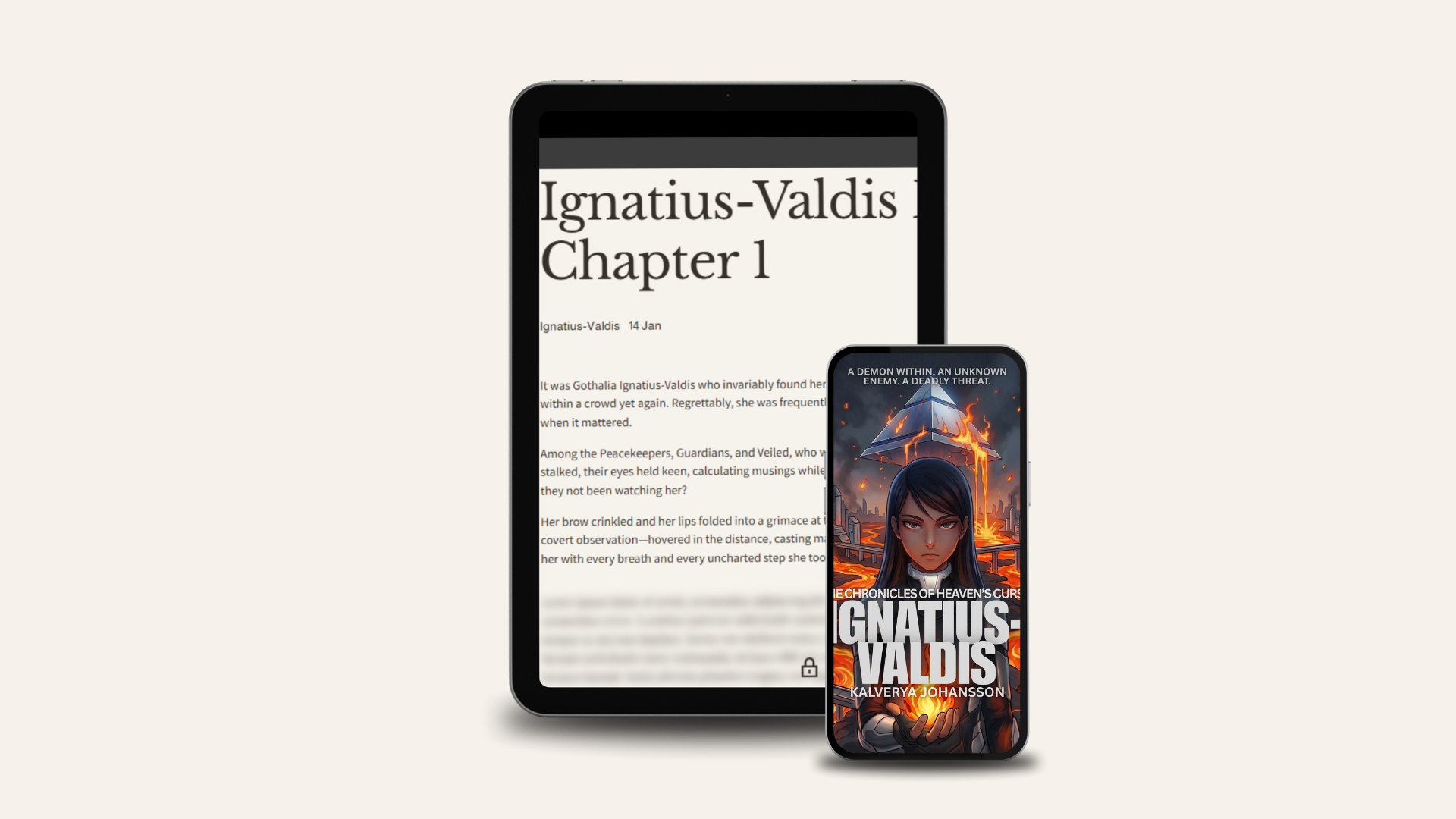
How I Captured the World of Ignatius-Valdis
When I set out to write Ignatius‑Valdis, my aim was simple: build a world that feels lived in, intense in action, and intimate enough for readers to lose themselves inside the simulation. This tale speaks to a science‑fiction audience hungry for momentum—explosions, desperate gambits, and the clatter of boot‑heels on alloy decks—while also rewarding readers who want systems, lineage, and society to matter as much as the firefights. To achieve that balance I concentrated on three interlocked efforts: the mechanics of power, the texture of civilisation, and the emotional weight of conflict. Central to the world are the Excelian Centurions of the Fire Reserve—soldiers honed to operate within a hostile simulation where a ravenous virus corrodes code and corpses alike. The Excelians are not a monolith; their competency springs from distinct bloodlines, each with its own energetic logic and cultural identity: Angelus lines channel lighter elements—luminosity, order, subtle radiances that can slice through chaos and stabilise collapsing systems—while Deamone lines favour heavy elements—density, gravity, crushing force that reshapes terrain and shatters shields—and Neutralus lines temper extremes, blending or nullifying forces to harmonise or disrupt.
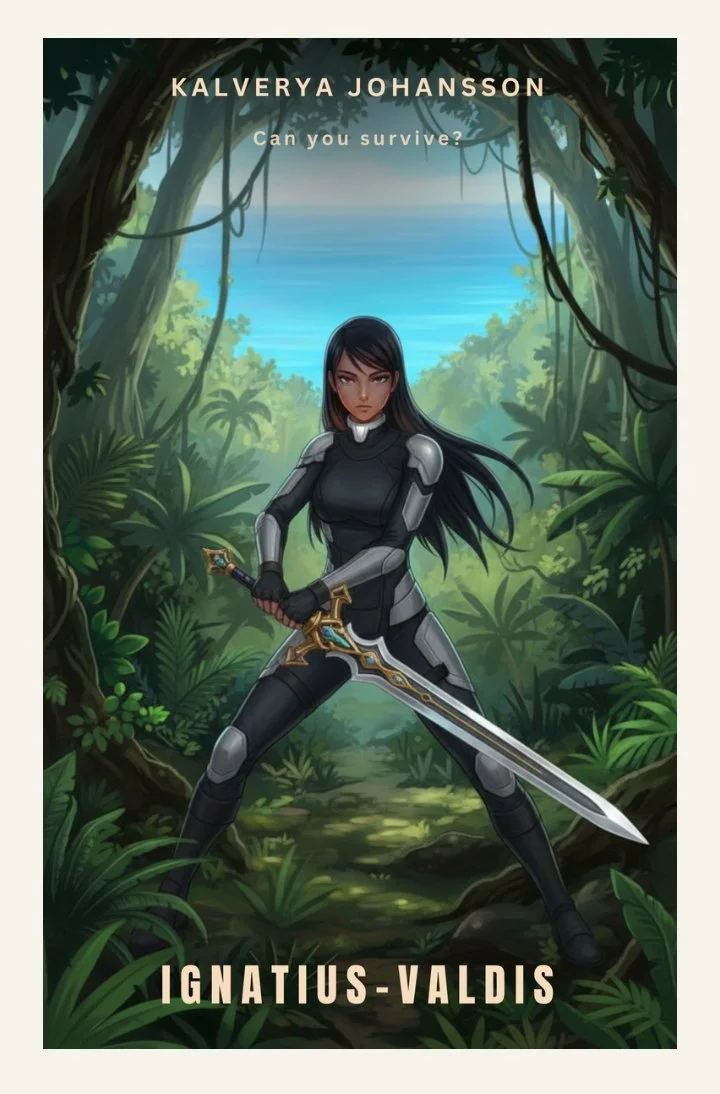
How I created the Character: Gothalia
I crafted Gothalia Ignatius-Valdis by threading together fragments of discipline, grief and defiant compassion gleaned from years of research into military archetypes and mythic tragedy; drawing her name from opposing heritages to reflect a life split between duty and forbidden longing, I built her early years around rigorous Centurion training, hard-won camaraderie and the cruel decisions that haunt commanders, then deepened her interior through moments of quiet—letters she never sent, rituals she clings to—and through the scars of battle that shape her choices in Ignatius-Valdis and Fragmented Deamone, where each book peels another layer of her resilience, moral ambiguity and the slow, costly reclamation of self amid the brutal politics and supernatural burdens of the Chronicles of Heaven's Curse.
How
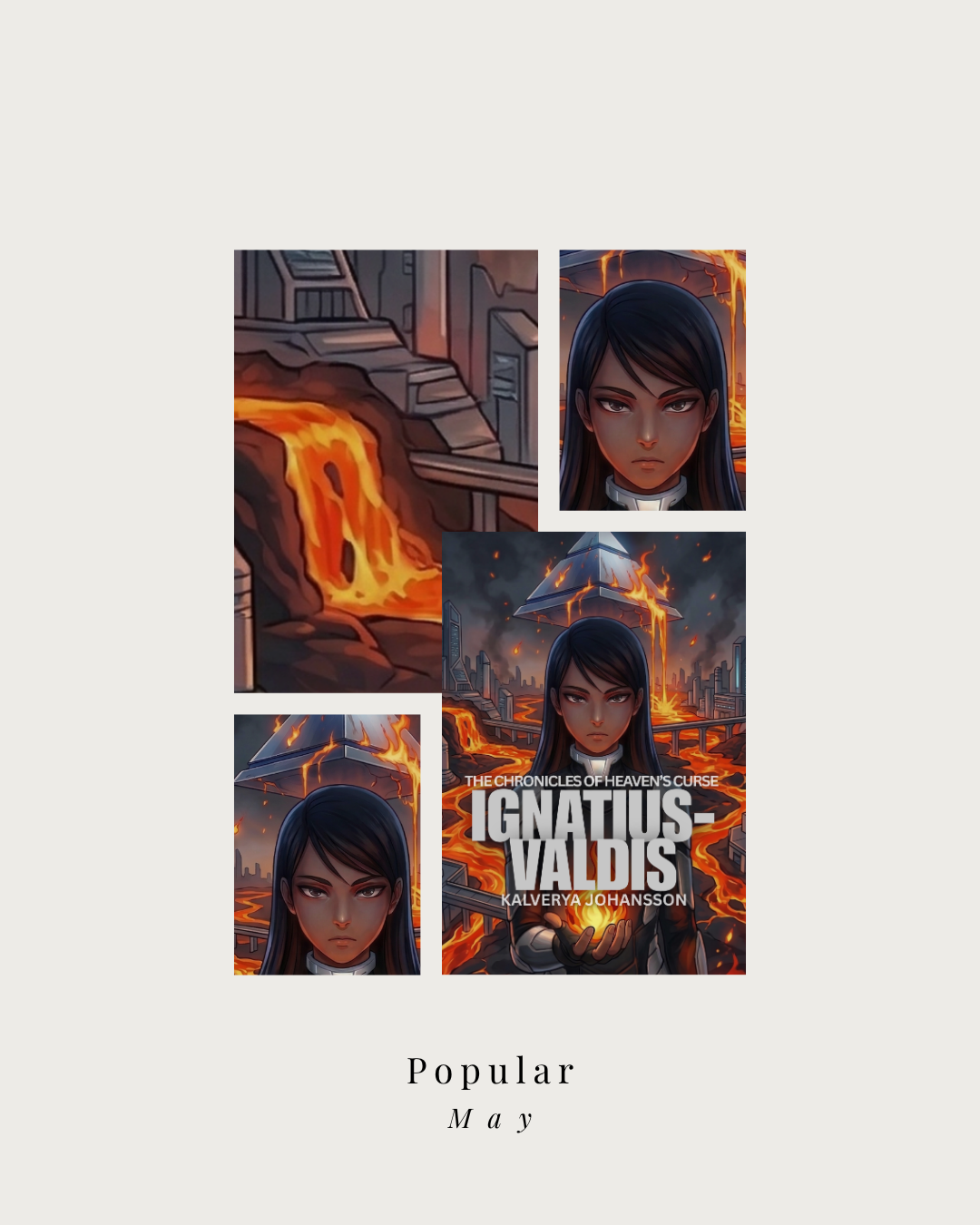
The Revised Versions of the Chronicles of Heaven's Curse Book Series
Knowing I wanted to tell a story was one thing; knowing I could was another. The story I longed to tell—the Chronicles of Heaven's Curse—was clear in my mind, and my goal was to capture readers and hold their attention from beginning to end. When the time came to write, I leaned into action, adventure, and science fiction with touches of the supernatural, though I resisted blending every genre at once. I rewrote Midnight Eclipse repeatedly until its core felt true, and I did the same with Ignatius-Valdis, refining the prose until the narrative flowed cinematically and read smoothly.
Start Today
☆
Start Today ☆
Sign up to blog
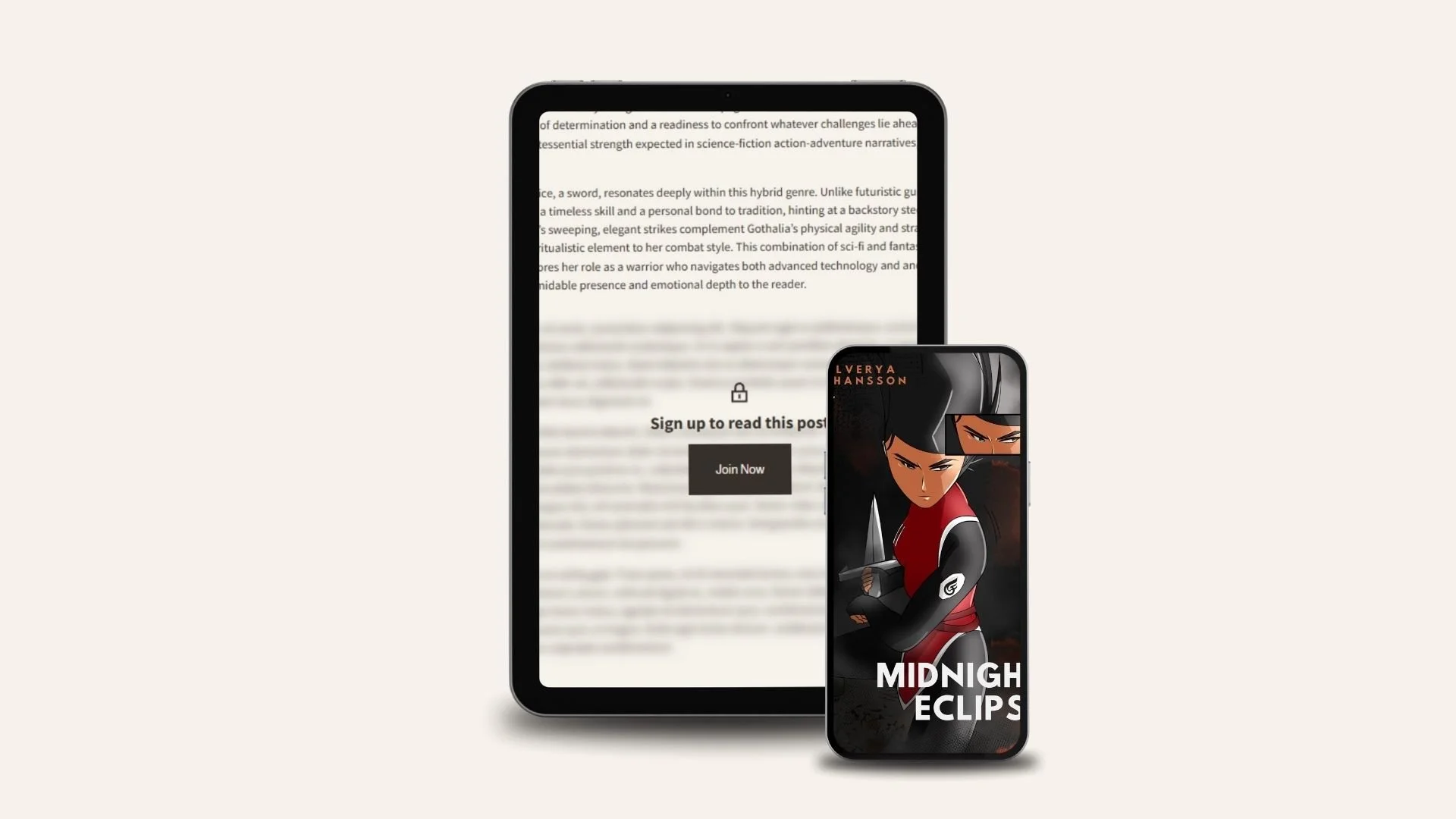
Get anytime access to my growing collection of blogs, art and concepts, behind-the-scenes content, writer's creation and exclusive content. New items added month.