SHOP.
e-Books.
Want more Content?
See Paid or Free Content Below
Featured


![EBOOK: Ignatius-Valdis: The Prequel [Part I]](https://images.squarespace-cdn.com/content/v1/6902370e39cdc51dd23f5b13/4b857d08-c2a1-4cc5-8487-ad52979cf146/imgg-l17-8cnywion.png)
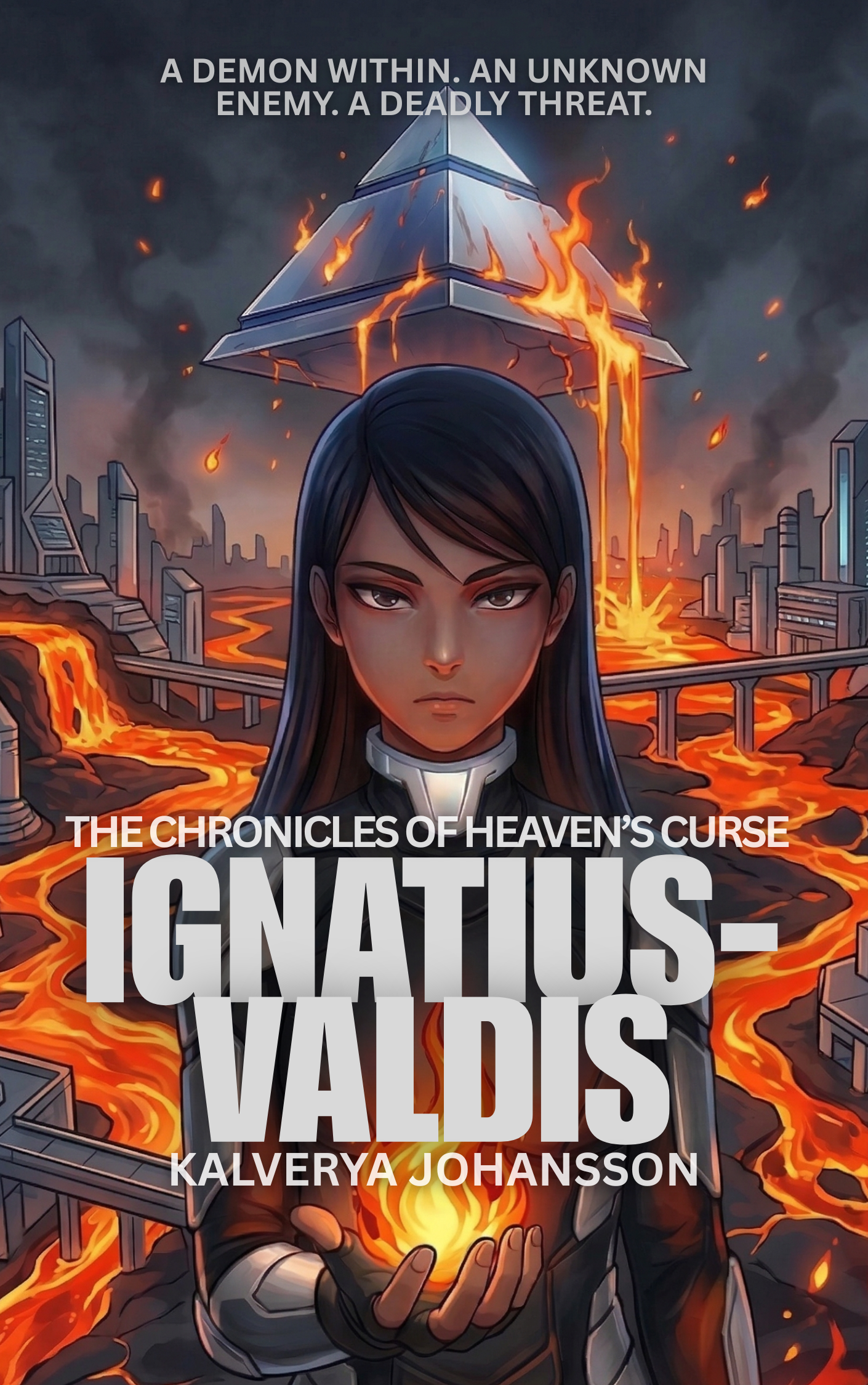
A DEMONE WITHIN. AN UNKNOWN ENEMY. A DEADLY THREAT.
Gothalia Ignatius-Valdis was born cursed.
Deep within the lightless mantle of the Earth's crust is New Icarus, where the Fire Reserve's elite Excelian parspecies commands reality. Through complex cell-signaling, they channel Excelian energy to manifest both elemental and non-elemental powers. But for Gothalia Ignatius-Valdis, this energy is a curse.
Branded a Deamone due to her unstable délanocytes, Gothalia is a genetic "glitch" in a world of rigid Angelus order. Yet, as the Xzandians invade and the search for the ancient Fragments of Midnight Eclipse begins, the Fire Reserve's High Command issues a startling decree: Gothalia is to be conscripted.
Thrust into the Centurions—an elite, short-lived vanguard—she is tethered to the Crown Prince and the heir of the Nero-Drausus Clans. As the final line of defense against extinction, Gothalia must weaponize the very "defect" that made her an outcast.
One question remains: When the world that nearly breaks you finally begs for salvation, do you save it—or let it burn?
Twelve fragments. Two worlds. One curse. The eclipse is coming.
Perfect for readers who love high-stakes fantasy, morally complex protagonists, and richly imagined subterranean worlds, Ignatius-Valdis: The Prequel [Part I] delivers:
A dark, atmospheric origin story that sets the stage for epic conflict.
A unique magic and elemental system built on elemental command and genetic peril.
Complex character dynamics — loyalty, duty, and resentment collide.
Tense military action as a fractured nation braces for destruction.
Political intrigue and a nation’s internal war.
What to Expect Inside
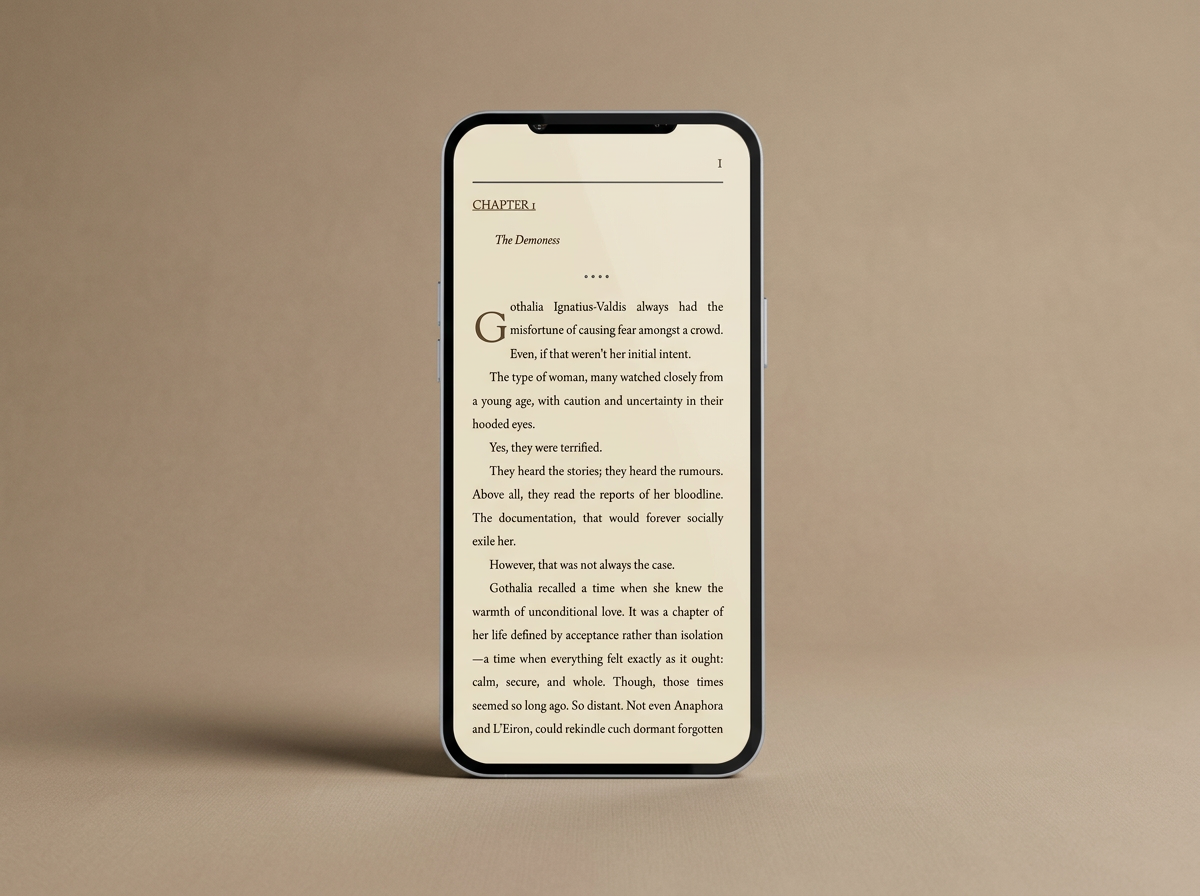
Files readable on any device: EPUB.
Files can be opened in Google Books, iBooks and Amazon Kindle apps or similar.
Start the series here: witness the making of a legend and decide whether a cursed soul can become her homeland’s greatest asset—or its most devastating regret. The cleaner version ready to download for your entertainment.
Download Your copy Today
No results match your search. Try removing a few filters.
See Paid or Free Content Below
Fuse voice, visuals, and a reader promise: pick consistent themes/subgenres (space opera, cyberpunk, eco‑SF); develop a distinctive author voice across blurbs, posts, and newsletters; use cohesive cover aesthetics, fonts, and palettes to signal your niche; engage communities (conventions, forums, critique groups, book clubs) for credibility and feedback; publish varied long and short work to show range while reinforcing signature ideas; maintain a reliable online presence that reflects your worlds and professional standards.
Direct sales conversion rates for an ebook storefront hinge on clarity, trust and frictionless purchase paths: optimise product pages with concise, benefit-led descriptions and compelling cover images; display immediate social proof such as reader reviews and ratings; simplify the checkout to minimise steps, pre-fill fields where possible and offer multiple secure payment options; A/B test pricing, call-to-action copy and promotional banners to learn what drives clicks to purchases; use targeted landing pages and email follow-ups for abandoned carts; ensure fast page load and mobile responsiveness; and track micro-conversions (preview clicks, add-to-cart, time on page) with analytics to prioritise changes that raise the overall conversion rate.