In the State of War
After the rebellion a weapon is born
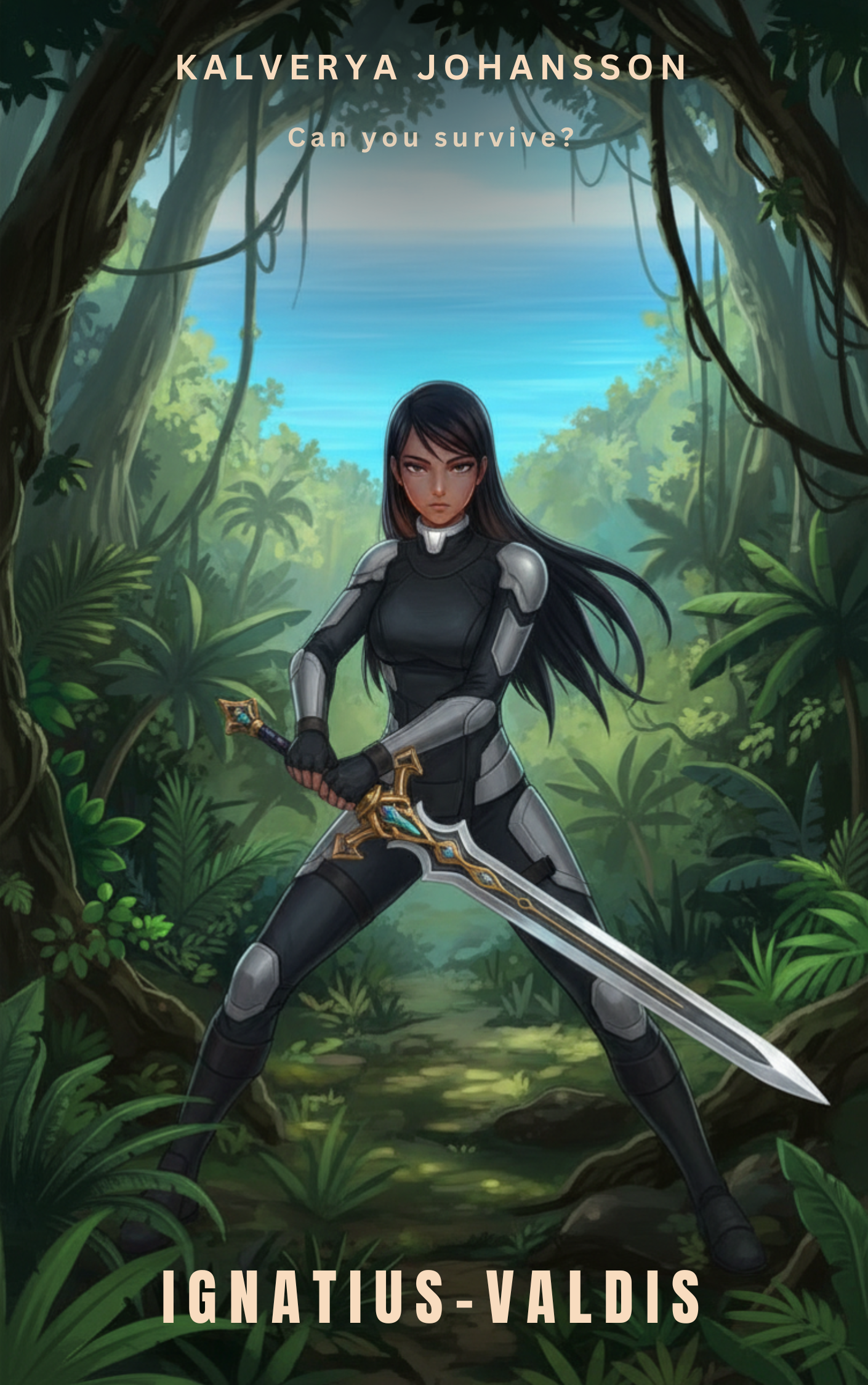
Creating the character Gothalia Ignatius-Valdis was easier than I expected. I began not with a rigid design but with a collection of impressions: faces weathered by endurance, voices steady after storms, small habits born from necessity. Instead of forcing traits into an archetype, I listened to real stories of strong people—those who rebuilt lives after sudden loss, who carried care for others while shouldering their own burdens, who learned to stand without asking permission. Their resilience provided the scaffolding.
From these lived moments I drew behaviors and contradictions: a posture that held both guarded caution and quiet authority, a laugh that arrived late and genuine, a tendency to plan meticulously while making room for mercy. Situations they overcame—migration, grief, systemic injustice, chronic illness—shaped Gothalia’s reactions and priorities more than any single origin tale could. That grounding in reality made decisions about her past, her voice, and her moral lines fall into place naturally.
Gothalia’s complexity grew from respecting the specifics of strength: it isn’t always dramatic; often it’s the steady, repetitive choice to continue. Writing her felt less like inventing and more like giving shape to fragments of courage I’d observed, then allowing those fragments to assemble into a person who could withstand contradiction, carry scars without being defined by them, and act with integrity when tests arrived. That approach—listening first, borrowing truthfully, and letting nuance guide the details—turned what might have been a daunting task into an unexpectedly straightforward, deeply rewarding creation process.
Gothalia was shaped by a lattice of flaws and forces that seemed to predetermine her downfall: pride that turned allies away, a haunted past that whispered doubt at every decision, and circumstances—given poverty, betrayal, and a rigid society—that closed paths before she could see them. Each fault braided with external pressures until her life felt less like a series of choices and more like a sentence being served. Yet within those fractures flickered stubborn resilience and small, defiant acts of tenderness that complicated the question of destiny: could a woman so marked by error and circumstance ever rewrite the terms imposed upon her, or would she be consumed by them? The tension between inevitable ruin and the possibility of survival hung over her like weather—relentless, changeable, and impossible to ignore.
The idea behind Ignatius-Valdis and Fragmented Deamone was to capture Gothalia in her formative arc, framing the early journey that shapes her into the figure who will later confront Midnight Eclipse; by focusing on fragmented memories, conflicting loyalties, and the slow uncovering of a hidden heritage, the narrative charts the small, decisive choices that harden her resolve and reveal the fissures in her identity, showing how vulnerability, anger, and fleeting alliances seed the ruthlessness and guarded compassion she carries forward.
Gothalia was written to make her internal struggle the engine that shapes her external conflicts, showing how a society that does more than merely reject her instead folds her into a web of oppressive, overarching themes—moral hypocrisy, ritualized surveillance, and institutionalized silence—that function as a psychic prison; her private doubts, memories, and desires echo outward into laws, architecture, and social rituals, so that every alley, decree, and whispered custom becomes a mirror and a cage, amplifying guilt into public spectacle and turning personal rebellion into a hazardous act of defiance against an entire culture engineered to contain and consume dissent.
Gothalia is forced to become a Centurion as punishment for her parents’ failure in the rebellion against the Grand Elders and the Royal Family, and every ordered step she takes mirrors the footsteps they once chose; clad in the red Silver and black uniform of obedience, she trains where they trained, patrols the same streets they fought to liberate, and enforces the very laws they sought to dismantle. The weight of inherited guilt shapes her posture and decisions—each salute a reminder of their betrayal, each mission a reflection of the ideals they died defending—and the city watches with a strange mixture of pity and satisfaction as the daughter of rebels is remade into an instrument of the state.
Gothalia’s story is dark and singular, a haunting retelling of the Chronicles left by the Heavens and the scattered Fragments of the Midnight Eclipse she must recover to save the very country her parents once rebelled against; orphaned by ideology and bound by destiny, she walks a perilous path through half-remembered prophecies and shattered loyalties, piecing together celestial secrets that many would rather see buried, all while questioning whether rescuing a nation built on the ashes of her family’s defiance is salvation or an erasure of her heritage.
